
Phân tích nghiệp vụ (BA) · chủ đề 10/13
Dữ liệu và tích hợp
Data and integration
31 thuật ngữ31 câu ví dụ📐 kí hiệu, đơn vị, công thức
Làm quen dự án phần mềm2 chủ đề
Quy trình làm phần mềm2 chủ đề
Yêu cầu2 chủ đề
Tài liệu và mô hình hoá2 chủ đề
Kiểm thử, dữ liệu, tích hợp2 chủ đề
Sản phẩm và chiến lược2 chủ đề
Giao tiếp hằng ngày1 chủ đề
Luyện thẻ ghi nhớ
💡 Mẹo: lật thẻ để xem nghĩa, bấm loa để nghe giọng Anh-Anh.
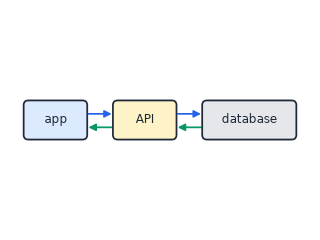
/ˌeɪ piː ˈaɪ/
giao diện lập trình ứng dụng (API)
A defined way for one software system to ask another for data or actions.
Application Programming Interface; đọc từng chữ.
The mobile app gets the data through an API.
Ứng dụng di động lấy dữ liệu thông qua API.
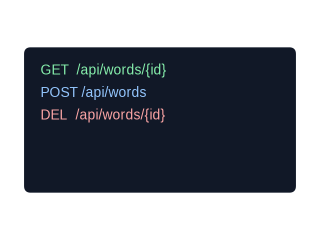
/ˈendpɔɪnt/
điểm cuối API (endpoint)
A specific URL of an API where a request is sent.
Ví dụ: /api/orders.
Which endpoint do we call to create a new customer?
Chúng ta gọi endpoint nào để tạo khách hàng mới?
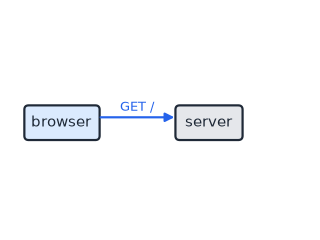
/rɪˈkwest/
yêu cầu (gửi tới API) (request)
A message sent from one system to another asking for data or an action.
Gồm method, header, body.
The request failed because the token had expired.
Request thất bại vì token đã hết hạn.
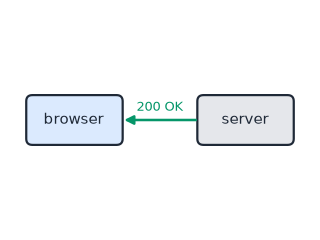
/rɪˈspɒns/
phản hồi (từ API) (response)
The message a system sends back after receiving a request.
Có mã trạng thái như 200, 404.
The response contains the order number and its status.
Response chứa số đơn hàng và trạng thái của nó.
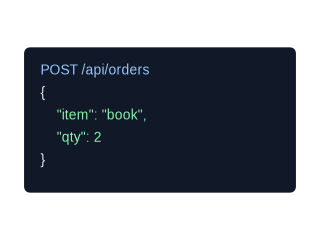
/ˈpeɪləʊd/
dữ liệu gửi kèm (payload)
The main data carried in a request or response, apart from headers.
Thường là JSON.
The payload must include the customer ID and the amount.
Payload phải gồm mã khách hàng và số tiền.
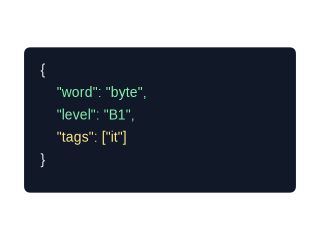
/ˈdʒeɪsn/
định dạng dữ liệu JSON (JSON)
A light text format for exchanging data between systems as key-value pairs.
Đọc "Jay-son".
The API returns the result in JSON.
API trả kết quả ở định dạng JSON.
/ˌɪntɪˈɡreɪʃn/
tích hợp (hệ thống) (integration)
Connecting separate systems so they can share data and work together.
Ví dụ: system integration.
The integration with the payment gateway is the riskiest part.
Việc tích hợp với cổng thanh toán là phần rủi ro nhất.
/ˈɪntəfeɪs/
cổng giao tiếp giữa các hệ thống (interface)
A point where two systems or components exchange data, or the screen a user sees.
Có thể là UI hoặc system interface.
We must define the interface between the CRM and the ERP.
Chúng ta phải xác định giao diện kết nối giữa CRM và ERP.
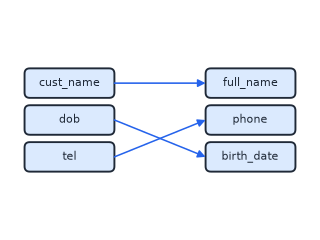
/ˈdeɪtə ˈmæpɪŋ/
ánh xạ dữ liệu (data mapping)
Matching fields in a source system to fields in a target system.
Thường làm bằng Excel.
I will send you the data mapping for the customer table.
Tôi sẽ gửi bạn bảng ánh xạ dữ liệu cho bảng khách hàng.
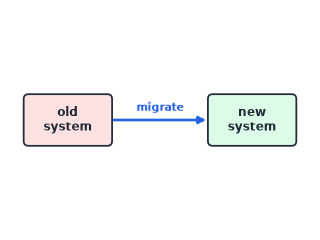
/ˈdeɪtə maɪˈɡreɪʃn/
di chuyển dữ liệu (data migration)
Moving data from an old system to a new one, usually with cleaning and checking.
Cần đối soát sau khi migrate.
Data migration will take place over the weekend.
Việc di chuyển dữ liệu sẽ diễn ra vào cuối tuần.
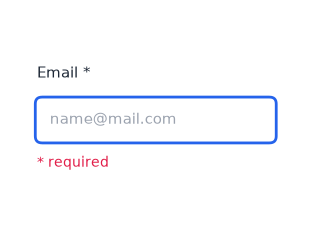
/ˈmændətəri fiːld/
trường bắt buộc (mandatory field)
A form field that the user must fill in before the form can be saved or sent.
Còn gọi required field.
Email is a mandatory field on the sign-up form.
Email là trường bắt buộc trên biểu mẫu đăng ký.
/ˈdeɪtə taɪp/
kiểu dữ liệu (data type)
The kind of value a field holds, such as text, number or date.
Ví dụ: string, integer, boolean.
What data type should we use for the phone number?
Chúng ta nên dùng kiểu dữ liệu nào cho số điện thoại?
/ˈdeɪtə ˌvælɪˈdeɪʃn/
kiểm tra tính hợp lệ của dữ liệu (data validation)
Checking that data entered or imported follows the rules, such as format and range.
Ở UI và ở server.
Data validation will reject any date in the past.
Việc kiểm tra dữ liệu sẽ từ chối mọi ngày trong quá khứ.
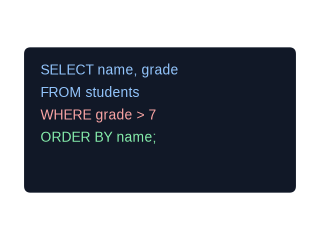
/ˌes kjuː ˈel/
ngôn ngữ truy vấn SQL (SQL)
A language used to read and change data in relational databases.
Đọc "sequel" hoặc từng chữ cái.
I ran an SQL query to count the failed orders.
Tôi đã chạy một truy vấn SQL để đếm các đơn hàng thất bại.
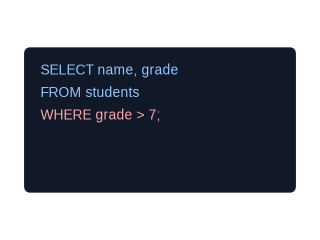
/ˈkwɪəri/
truy vấn (query)
A request to a database to get or change specific data.
Thường dùng cho SQL.
Can you write a query to list all inactive users?
Bạn có thể viết một truy vấn liệt kê tất cả người dùng không hoạt động không?
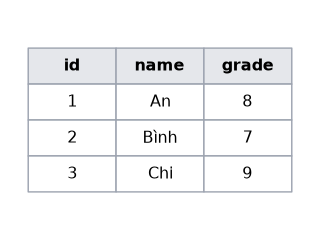
/ˈteɪbl/
bảng (dữ liệu) (table)
A set of rows and columns in a database that stores one kind of data.
Hàng = row, cột = column.
The customer table has about two million rows.
Bảng khách hàng có khoảng hai triệu dòng.
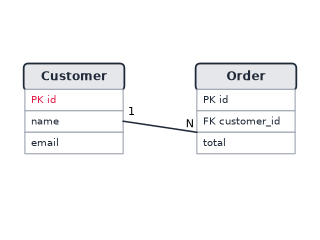
/ˈpraɪməri kiː/
khoá chính (primary key)
A field that uniquely identifies each record in a table.
Không được trùng hoặc rỗng.
The primary key of the order table is the order ID.
Khoá chính của bảng đơn hàng là mã đơn hàng.
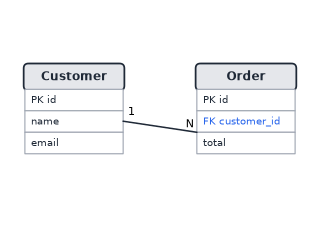
/ˈfɒrən kiː/
khoá ngoại (foreign key)
A field in one table that points to the primary key of another table.
Tạo mối quan hệ giữa các bảng.
Customer ID is a foreign key in the order table.
Customer ID là khoá ngoại trong bảng đơn hàng.
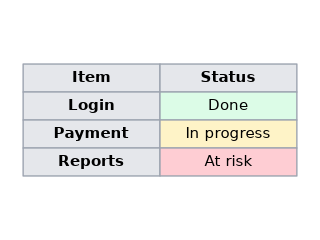
/rɪˈpɔːt/
báo cáo (report)
An output that presents data in an organised way for business users to read.
Khác document; thường từ BI tool.
The finance team wants a monthly sales report.
Nhóm tài chính muốn có báo cáo doanh số hằng tháng.
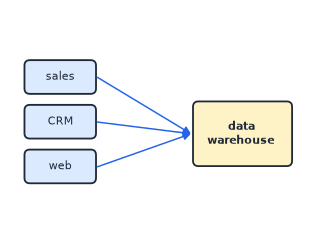
/ˈdeɪtə ˈweəhaʊs/
kho dữ liệu (data warehouse)
A central database that collects data from many systems for reporting and analysis.
Viết tắt DWH.
Sales data is loaded into the data warehouse every night.
Dữ liệu bán hàng được nạp vào kho dữ liệu mỗi đêm.
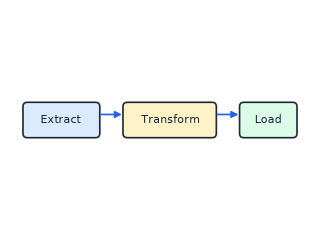
/ˌiː tiː ˈel/
ETL (trích xuất, chuyển đổi, nạp dữ liệu)
A process that extracts data from sources, transforms it, and loads it into a target system.
Extract, Transform, Load.
The ETL job runs every night and loads sales data into the warehouse.
Job ETL chạy mỗi đêm và nạp dữ liệu bán hàng vào kho dữ liệu.
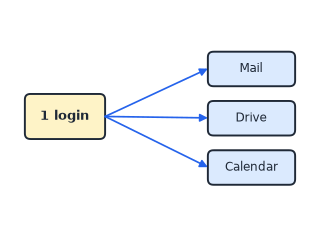
/ˌsɪŋɡl saɪn ˈɒn/
đăng nhập một lần (SSO)
A login method where one sign-in gives access to several applications.
Viết tắt SSO.
Staff can use single sign-on to open the HR portal and the CRM.
Nhân viên có thể dùng đăng nhập một lần để mở cổng nhân sự và CRM.
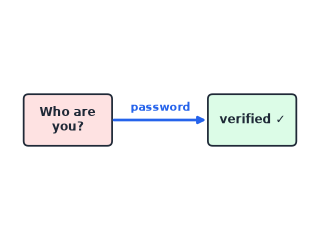
/ɔːˌθentɪˈkeɪʃn/
xác thực (authentication)
Checking that a user is who they claim to be, for example with a password or OTP.
Phân biệt với authorisation.
Authentication fails if the OTP is entered after it expires.
Xác thực thất bại nếu OTP được nhập sau khi hết hạn.
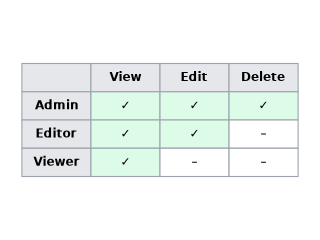
/ˌɔːθəraɪˈzeɪʃn/
phân quyền (authorisation)
Deciding what an authenticated user is allowed to see or do.
Mỹ: authorization.
Authorisation rules say that only managers can approve refunds.
Quy tắc phân quyền nêu rằng chỉ quản lý mới được duyệt hoàn tiền.
/ˈwebhʊk/
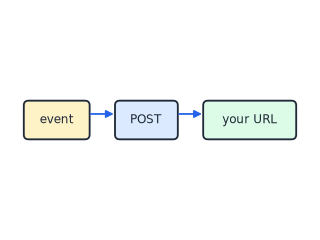
webhook (cơ chế gọi lại)
A way for one system to automatically send an HTTP message to another when an event happens.
Giữ nguyên từ webhook.
The payment provider sends a webhook when a transaction is completed.
Nhà cung cấp thanh toán gửi webhook khi một giao dịch hoàn tất.
/ˈbætʃ dʒɒb/
tác vụ chạy theo lô (batch job)
A task that processes many records together on a schedule instead of one at a time.
Trái với real-time.
The batch job runs at 2 am and sends the daily statements.
Batch job chạy lúc 2 giờ sáng và gửi sao kê hằng ngày.
/ˈrɪəl taɪm/
thời gian thực (real-time)
Happening immediately, with no noticeable delay.
Khác near real-time.
The client expects balances to update in real-time.
Khách hàng mong số dư được cập nhật theo thời gian thực.
/ˌsɪŋkrənaɪˈzeɪʃn/
đồng bộ hoá (synchronisation)
Keeping data the same across two or more systems.
Viết tắt sync; Mỹ: synchronization.
Synchronisation between the app and the CRM happens every 15 minutes.
Việc đồng bộ hoá giữa ứng dụng và CRM diễn ra mỗi 15 phút.
/ˈmɑːstə ˈdeɪtə/
dữ liệu chủ (master data)
Core business data shared across systems, such as customers, products and suppliers.
Ít thay đổi hơn dữ liệu giao dịch.
We need one owner for master data to avoid duplicates.
Chúng ta cần một người chịu trách nhiệm dữ liệu chủ để tránh trùng lặp.
/ˈsɔːs ˈsɪstəm/
hệ thống nguồn (source system)
The system where data comes from in a migration or integration.
Cặp với target system.
The legacy ERP is the source system for the customer data.
ERP cũ là hệ thống nguồn của dữ liệu khách hàng.
/ˈtɑːɡɪt ˈsɪstəm/
hệ thống đích (target system)
The system that receives the data in a migration or integration.
Cặp với source system.
The new CRM is the target system.
CRM mới là hệ thống đích.