
Phân tích nghiệp vụ (BA) · chủ đề 12/13
Chiến lược và quản trị BA
Strategy and governance
33 thuật ngữ33 câu ví dụ📐 kí hiệu, đơn vị, công thức
Làm quen dự án phần mềm2 chủ đề
Quy trình làm phần mềm2 chủ đề
Yêu cầu2 chủ đề
Tài liệu và mô hình hoá2 chủ đề
Kiểm thử, dữ liệu, tích hợp2 chủ đề
Sản phẩm và chiến lược2 chủ đề
Giao tiếp hằng ngày1 chủ đề
Luyện thẻ ghi nhớ
💡 Mẹo: lật thẻ để xem nghĩa, bấm loa để nghe giọng Anh-Anh.
/ˈbɪznəs əˈnæləsɪs/
phân tích nghiệp vụ (business analysis)
The practice of finding business needs and recommending solutions that deliver value.
Người làm: Business Analyst (BA).
Business analysis helps the team understand the problem before building anything.
Phân tích nghiệp vụ giúp nhóm hiểu vấn đề trước khi xây dựng bất cứ thứ gì.
/ˈbeɪbɒk/
BABOK (bộ kiến thức phân tích nghiệp vụ)
The IIBA guide that sets out the standard knowledge and techniques of business analysis.
Đọc "bay-bok".
I use the BABOK Guide as a reference for elicitation techniques.
Tôi dùng BABOK Guide làm tài liệu tham khảo cho các kỹ thuật khai thác yêu cầu.
/ˈnɒlɪdʒ ˈeəriə/
lĩnh vực kiến thức (knowledge area)
A group of related tasks and techniques in BABOK, such as elicitation or strategy analysis.
BABOK v3 có 6 lĩnh vực.
Requirements Analysis is one of the knowledge areas in BABOK.
Phân tích yêu cầu là một trong các lĩnh vực kiến thức trong BABOK.
/ˈstrætədʒi əˈnæləsɪs/
phân tích chiến lược (strategy analysis)
Work to understand the current state, define the future state and plan how to get there.
Một knowledge area của BABOK.
Strategy analysis starts by defining the business need.
Phân tích chiến lược bắt đầu bằng việc xác định nhu cầu nghiệp vụ.
/səˈluːʃn ɪˌvæljuˈeɪʃn/
đánh giá giải pháp (solution evaluation)
Checking how well a delivered solution meets the business need and what to improve.
Làm sau khi triển khai.
Solution evaluation showed that the new portal cut processing time by half.
Đánh giá giải pháp cho thấy cổng mới giảm một nửa thời gian xử lý.
/ˈentəpraɪz əˈnæləsɪs/
phân tích doanh nghiệp (enterprise analysis)
An older term for analysing the whole organisation to find needs and opportunities.
tên cũ trong BABOK v2; từ BABOK v3 gọi là strategy analysis
Enterprise analysis is done before a project business case is written.
Phân tích doanh nghiệp được thực hiện trước khi viết business case.
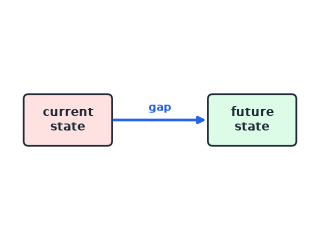
/ˈɡæp əˈnæləsɪs/
phân tích khoảng cách (gap analysis)
Comparing the current state with the desired state to find what is missing.
As-Is vs To-Be.
The gap analysis shows we lack automated reporting.
Phân tích khoảng cách cho thấy chúng ta thiếu báo cáo tự động.
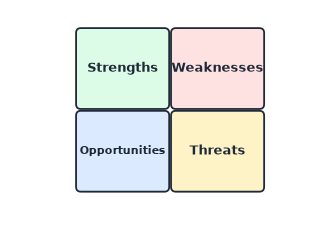
/ˈswɒt əˈnæləsɪs/
phân tích SWOT (SWOT analysis)
A tool that lists strengths, weaknesses, opportunities and threats.
Đọc "swot".
We did a SWOT analysis before choosing the new market.
Chúng tôi đã làm phân tích SWOT trước khi chọn thị trường mới.
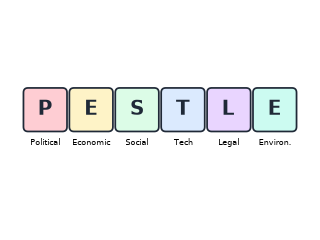
/ˈpesl əˈnæləsɪs/
phân tích PESTLE (PESTLE analysis)
A tool for reviewing political, economic, social, technological, legal and environmental factors.
Nhìn môi trường bên ngoài.
The PESTLE analysis highlighted new data protection laws.
Phân tích PESTLE chỉ ra các luật bảo vệ dữ liệu mới.
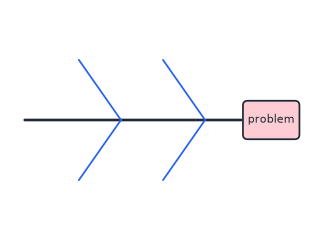
/ˌruːt ˈkɔːz əˈnæləsɪs/
phân tích nguyên nhân gốc (root cause analysis)
Finding the underlying reason for a problem rather than just treating its symptoms.
Viết tắt RCA.
We carried out a root cause analysis of the payment errors.
Chúng tôi đã thực hiện phân tích nguyên nhân gốc cho các lỗi thanh toán.
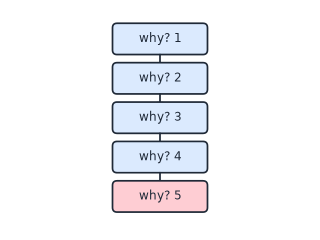
/ˌfaɪv ˈwaɪz/
năm câu hỏi tại sao (five whys)
A technique of asking "why" repeatedly to reach the root cause of a problem.
Còn viết 5 Whys.
Using the five whys, we found the real cause of the delay.
Dùng kỹ thuật 5 whys, chúng tôi tìm ra nguyên nhân thực sự của sự chậm trễ.
/ˈfɪʃbəʊn ˈdaɪəɡræm/
sơ đồ xương cá (fishbone diagram)
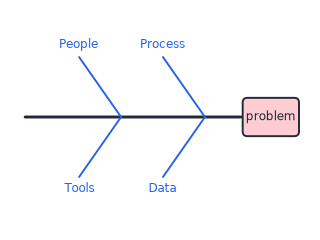
A diagram that groups possible causes of a problem like the bones of a fish.
Còn gọi Ishikawa.
The fishbone diagram grouped the causes into people, process and tools.
Sơ đồ xương cá nhóm các nguyên nhân thành con người, quy trình và công cụ.
/ˈrɪsk əˈnæləsɪs/
phân tích rủi ro (risk analysis)
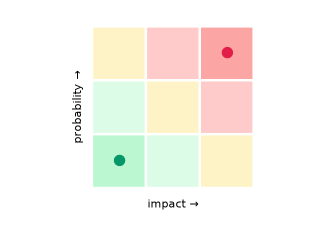
Identifying risks and judging how likely and how serious they are.
Gồm khả năng và tác động.
The risk analysis flagged data migration as the biggest threat.
Phân tích rủi ro chỉ ra di chuyển dữ liệu là mối đe doạ lớn nhất.
/ˌfiːzəˈbɪləti ˈstʌdi/
nghiên cứu khả thi (feasibility study)
An assessment of whether an idea is practical in terms of technology, cost and time.
Làm trước khi cam kết dự án.
The feasibility study found the integration technically possible.
Nghiên cứu khả thi cho thấy việc tích hợp là khả thi về mặt kỹ thuật.
/ˈɪmpækt əˈsesmənt/
đánh giá tác động (impact assessment)
Judging how a change or decision will affect people, processes and systems.
Gần impact analysis.
An impact assessment is required before we change the approval process.
Cần đánh giá tác động trước khi chúng ta đổi quy trình phê duyệt.
/ˌtʃeɪndʒ kənˈtrəʊl ˈbɔːd/
hội đồng kiểm soát thay đổi (CCB)
A group that reviews and approves or rejects change requests.
Viết tắt CCB.
The change control board meets every Thursday.
Hội đồng kiểm soát thay đổi họp vào thứ Năm hằng tuần.
/ˈskəʊp kriːp/
phình phạm vi (scope creep)
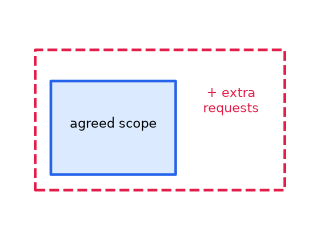
Uncontrolled growth of project scope after the work has started, without extra time or budget.
Tiếng Việt cũng nói "trượt scope".
Let's avoid scope creep by logging every new request as a change request.
Hãy tránh phình phạm vi bằng cách ghi mọi yêu cầu mới thành change request.
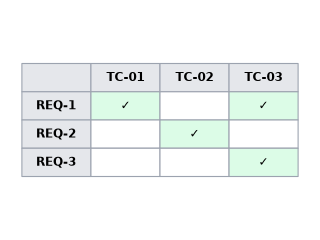
/rɪˈkwaɪəmənts ˌtreɪsəˈbɪləti/
truy vết yêu cầu (requirements traceability)
Tracking each requirement from its source through design, build and testing.
Công cụ: traceability matrix.
Requirements traceability helps us prove that every need is covered.
Truy vết yêu cầu giúp chúng ta chứng minh mọi nhu cầu đều được đáp ứng.
/ˈɡʌvənəns/
quản trị (governance)
The rules, roles and decision processes that guide how a project or organisation is run.
Ví dụ: project governance.
Clear governance avoids delays in decision-making.
Quản trị rõ ràng giúp tránh chậm trễ trong việc ra quyết định.
/əˈpruːvl ˈprəʊses/
quy trình phê duyệt (approval process)
The steps and people required to approve a document, change or release.
Nên vẽ swimlane.
The approval process requires two levels of sign-off.
Quy trình phê duyệt yêu cầu hai cấp ký duyệt.
/dɪˈsɪʒn lɒɡ/
nhật ký quyết định (decision log)
A record of decisions made on a project, with date, owner and reason.
Tránh tranh cãi sau này.
Please add this agreement to the decision log.
Vui lòng thêm thoả thuận này vào nhật ký quyết định.
/ˌlesnz ˈlɜːnd/
bài học kinh nghiệm (lessons learned)
What a team learns from a project about what worked and what did not.
Còn gọi retrospective.
We held a lessons learned session after the release.
Chúng tôi đã tổ chức buổi rút kinh nghiệm sau bản phát hành.
/ˈprəʊses ɪmˈpruːvmənt/
cải tiến quy trình (process improvement)
Making a business process faster, cheaper or more reliable.
Lean, Six Sigma.
Process improvement cut the approval time from five days to two.
Cải tiến quy trình giảm thời gian phê duyệt từ năm ngày xuống hai ngày.
business process reengineering
/ˌbɪznəs ˌprəʊses ˌriːendʒɪˈnɪərɪŋ/
tái cấu trúc quy trình nghiệp vụ (BPR)
Completely redesigning business processes to get big gains in speed or cost.
Viết tắt BPR; thay đổi triệt để.
Business process reengineering removed half of the manual steps.
Tái cấu trúc quy trình nghiệp vụ đã loại bỏ một nửa số bước thủ công.
/ˌkeɪpəˈbɪləti mæp/
bản đồ năng lực (capability map)
A visual overview of what an organisation can do, grouped by business area.
Dùng khi phân tích chiến lược.
The capability map shows where we need to invest in digital skills.
Bản đồ năng lực cho thấy chúng ta cần đầu tư vào kỹ năng số ở đâu.
/ˈvæljuː striːm/
chuỗi giá trị (value stream)
The steps that turn a customer request into something of value delivered to them.
Value stream mapping.
We mapped the value stream to find where orders wait the longest.
Chúng tôi vẽ sơ đồ chuỗi giá trị để tìm nơi đơn hàng chờ lâu nhất.
/ˈɒpəreɪtɪŋ ˈmɒdl/
mô hình vận hành (operating model)
How an organisation arranges its people, processes and technology to deliver value.
Cấp tổ chức.
The new operating model moves support to a shared centre.
Mô hình vận hành mới chuyển hỗ trợ sang một trung tâm dùng chung.
/ˌaɪ aɪ biː ˈeɪ/
IIBA (Hiệp hội Phân tích Nghiệp vụ Quốc tế)
The International Institute of Business Analysis, the professional body that publishes BABOK.
Đọc từng chữ cái.
I became a member of the IIBA last year.
Năm ngoái tôi đã trở thành hội viên IIBA.
/ˌsiː biː eɪ ˈpiː/
CBAP (chứng chỉ BA cao cấp)
A senior BA certification from IIBA for people with many years of experience.
Cần khoảng 7.500 giờ kinh nghiệm.
She passed the CBAP exam after seven years as a BA.
Chị ấy đã đậu kỳ thi CBAP sau bảy năm làm BA.
/ˌsiː siː biː ˈeɪ/
CCBA (chứng chỉ BA trung cấp)
An IIBA certification for BAs with several years of experience, below CBAP.
Cấp giữa ECBA và CBAP.
I am preparing for the CCBA exam next spring.
Tôi đang chuẩn bị cho kỳ thi CCBA vào mùa xuân tới.
/ˌiː siː biː ˈeɪ/
ECBA (chứng chỉ BA sơ cấp)
An IIBA entry-level certification for people new to business analysis.
Không yêu cầu kinh nghiệm.
The ECBA is a good first step for new graduates.
ECBA là bước đầu tốt cho sinh viên mới ra trường.
/ˌsɜːtɪfɪˈkeɪʃn/
chứng chỉ (certification)
Official proof that a person has passed an exam or met professional standards.
Ví dụ: PMP, CBAP, ISTQB.
A BA certification can strengthen your CV.
Chứng chỉ BA có thể làm hồ sơ của bạn nổi bật hơn.
/ˈkɒmpɪtənsi/
năng lực (competency)
A skill, knowledge or behaviour needed to do a job well.
Số nhiều: competencies.
Communication is a core competency for a BA.
Giao tiếp là năng lực cốt lõi của một BA.