
Công nghệ thông tin · chủ đề 5/9
Lập trình cơ bản
Programming basics
49 thuật ngữ49 câu ví dụ📐 kí hiệu, đơn vị, công thức
Tất cả chủ đề9 chủ đề
- 1. Phần cứng máy tính40 thuật ngữ
- 2. Hệ điều hành và tệp49 thuật ngữ
- 3. Sử dụng phần mềm ứng dụng30 thuật ngữ
- 4. Mạng máy tính và Internet37 thuật ngữ
- 5. Lập trình cơ bản49 thuật ngữ
- 6. Dữ liệu và cơ sở dữ liệu28 thuật ngữ
- 7. Phát triển phần mềm40 thuật ngữ
- 8. An toàn thông tin23 thuật ngữ
- 9. Thiết kế web21 thuật ngữ
Luyện thẻ ghi nhớ
💡 Mẹo: lật thẻ để xem nghĩa, bấm loa để nghe giọng Anh-Anh.
/ˈprəʊˌɡræm/
chương trình máy tính (program)
a set of instructions that a computer runs
This program calculates the monthly sales report.
Chương trình này tính báo cáo doanh số hàng tháng.
/ˈprəʊɡrəmɪŋ/
lập trình (programming)
writing computer programs
She studied programming at university for four years.
Cô ấy đã học lập trình ở đại học bốn năm.
/ˈprəʊɡræmə/
lập trình viên (programmer)
a person who writes computer programs
The programmer wrote the app in two weeks.
Lập trình viên đã viết ứng dụng trong hai tuần.
/kəʊd/
mã nguồn, đoạn mã (code)
instructions written in a programming language for a computer
Please review my code before I merge it.
Vui lòng xem lại mã của tôi trước khi tôi hợp nhất nó.
/kəʊdɪŋ/
lập trình, viết mã (coding)
the activity of writing computer programs
Coding takes patience, especially when you debug.
Viết mã đòi hỏi sự kiên nhẫn, nhất là khi gỡ lỗi.
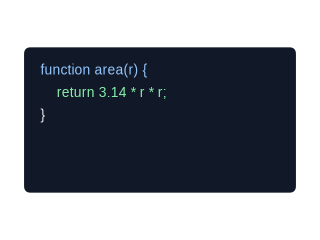
/sɔːs kəʊd/
mã nguồn (source code)
human-readable program instructions written by developers
Please review the source code before we merge the changes.
Vui lòng xem lại mã nguồn trước khi chúng ta gộp thay đổi.
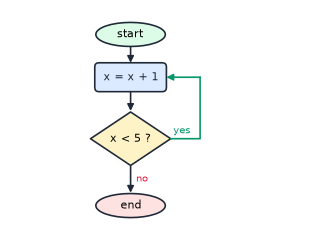
/ˈalɡərɪð(ə)m/
thuật toán (algorithm)
a step-by-step procedure for solving a problem
This algorithm sorts a list of numbers quickly.
Thuật toán này sắp xếp một danh sách số rất nhanh.
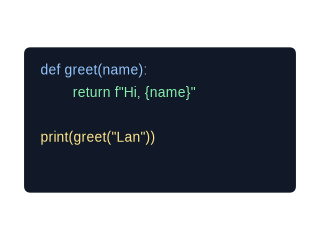
/ˈpaɪθən/
ngôn ngữ lập trình Python (Python)
a popular, easy-to-read programming language
He wrote a Python script to process the log files.
Anh ấy viết một tập lệnh Python để xử lý các tệp nhật ký.
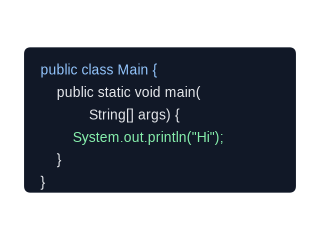
/ˈdʒɑːvə/
ngôn ngữ lập trình Java (Java)
a widely used object-oriented programming language
Our backend services are written in Java.
Các dịch vụ backend của chúng tôi được viết bằng Java.
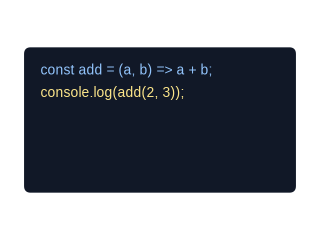
/ˈdʒɑːvəskrɪpt/
ngôn ngữ lập trình JavaScript (JavaScript)
a programming language mainly used to make web pages interactive
We use JavaScript to validate the form in the browser.
Chúng tôi dùng JavaScript để kiểm tra biểu mẫu trong trình duyệt.
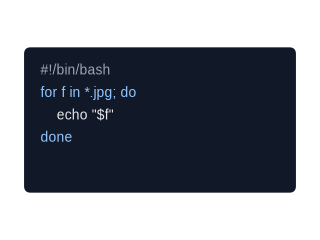
/skrɪpt/
tập lệnh (script)
a short program or file of commands run in sequence
I wrote a script to back up the files every night.
Tôi đã viết một tập lệnh để sao lưu các tệp mỗi đêm.
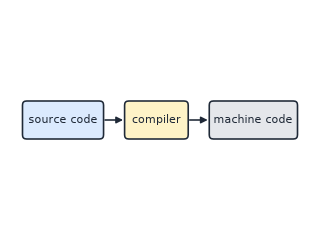
/kəmˈpaɪl/
biên dịch (compile)
to turn source code into executable code with a compiler
It takes two minutes to compile the whole project.
Mất hai phút để biên dịch toàn bộ dự án.
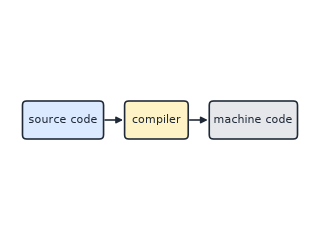
/kəmˈpaɪlə/
trình biên dịch (compiler)
a program that turns source code into machine code
The compiler reported three errors in the code.
Trình biên dịch báo ba lỗi trong mã.
/ˈlɪŋk/
liên kết các tệp đối tượng (link)
to join compiled code files into one executable program
The compiler links all object files into a single program.
Trình biên dịch liên kết tất cả tệp đối tượng thành một chương trình duy nhất.
/ˈtranzleɪtə/
trình dịch ngôn ngữ (translator)
a program that converts code from one language to another
An assembler is a translator from assembly language to machine code.
Trình hợp dịch là một trình dịch ngôn ngữ từ hợp ngữ sang mã máy.
/ˈrʌntaɪm/
thời gian chạy, môi trường chạy (runtime)
the period or environment in which a program is running
The error only appears at runtime, not during compilation.
Lỗi chỉ xuất hiện lúc chạy, không phải khi biên dịch.
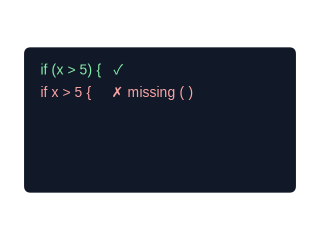
/ˈsɪntæks/
cú pháp (syntax)
the formal rules for writing statements in a programming language
A missing bracket caused a syntax error.
Thiếu một dấu ngoặc đã gây ra lỗi cú pháp.
/ˈkiːwɜːd/
từ khóa (keyword)
a reserved word in a programming language or a search term
The word class is a keyword in this language.
Từ class là một từ khóa trong ngôn ngữ này.
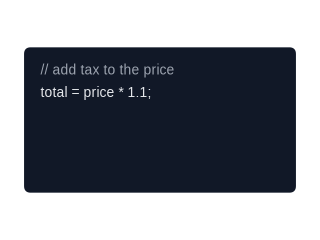
/ˈkɒment/
chú thích trong mã (comment)
a note in source code that the computer ignores
Add a comment to explain what this function does.
Hãy thêm một chú thích để giải thích hàm này làm gì.
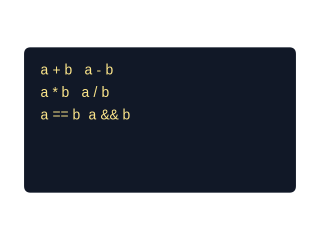
/ˈɒpəˌreɪtə/
toán tử (operator)
a symbol in a programming language that performs an operation
The plus operator adds two numbers together.
Toán tử cộng cộng hai số lại với nhau.
/sɪˈmæntɪks/
ngữ nghĩa (semantics)
the meaning of code constructs, as opposed to their syntax
The code has correct syntax but wrong semantics.
Mã này đúng cú pháp nhưng sai ngữ nghĩa.
/ˈɡræmə(r)/
văn phạm hình thức (grammar)
a formal set of rules describing the syntax of a language
The parser follows the grammar of the programming language.
Trình phân tích cú pháp tuân theo văn phạm của ngôn ngữ lập trình.
/ˈtəʊkən/
mã thông báo, token (token)
a small unit of text with meaning, found during parsing
The parser splits the input into tokens.
Trình phân tích cú pháp tách dữ liệu nhập thành các token.
/ɪˈskeɪp/
thoát ký tự (escape)
to make a special character be read literally
Escape the quotation marks inside the string.
Hãy thoát các dấu ngoặc kép bên trong chuỗi.
/ˈpæt(ə)n/
mẫu khớp chuỗi (pattern)
a text string with wildcards used for matching
The search pattern matches every file ending in .log.
Mẫu tìm kiếm khớp với mọi tệp có đuôi .log.
/ˈveəriəbl/
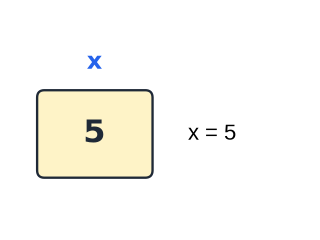
biến (variable)
a named memory location that holds a value in a program
Store the user's age in a variable.
Hãy lưu tuổi của người dùng trong một biến.
/ˈkɒnstənt/
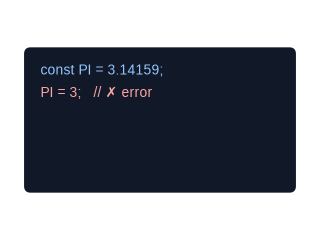
hằng số (constant)
a named value that never changes while the program runs
Store the tax rate in a constant.
Hãy lưu thuế suất trong một hằng số.
/taɪp/
kiểu dữ liệu (type)
a label that says what kind of value a variable can hold
The type of this variable is integer.
Kiểu dữ liệu của biến này là số nguyên.
/ˈbuːliən/
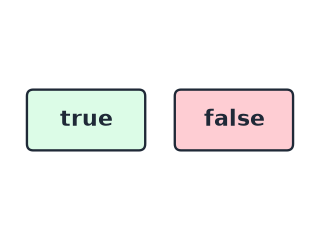
kiểu logic (boolean)
a data type that is either true or false
The function returns a boolean value.
Hàm này trả về một giá trị kiểu logic.
/strɪŋ/
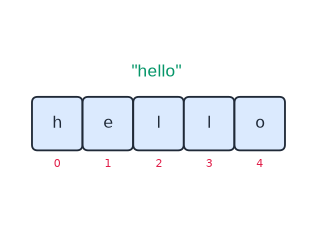
chuỗi ký tự (string)
a sequence of text characters treated as one value
The function takes a string and returns its length.
Hàm này nhận một chuỗi ký tự và trả về độ dài của nó.
/fləʊt/
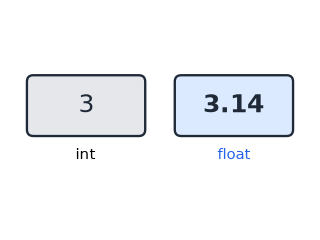
căn nổi (float)
to make an element sit beside or above others in a layout
Float the image to the left so the text wraps around it.
Hãy căn nổi hình ảnh sang trái để văn bản bao quanh nó.
/dɪˈfɔːlt/
mặc định (default)
the original setting chosen by the software maker
You can reset the app to its default settings.
Bạn có thể đặt lại ứng dụng về cài đặt mặc định.
/flæɡ/
cờ (flag)
a variable storing a true or false state
Set the flag to true once the download finishes.
Hãy đặt cờ thành true khi tải xuống hoàn tất.
/steɪt/
trạng thái (state)
the set of values that describe a program at a given moment
The app saves its state so users can continue later.
Ứng dụng lưu trạng thái để người dùng có thể tiếp tục sau.
/mɑːsk/
mặt nạ bit (bitmask)
a pattern of bits used to select or change other bits
Apply a mask to extract the lower four bits.
Áp dụng một mặt nạ bit để lấy bốn bit thấp.
/ɪf/
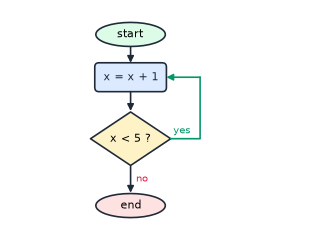
câu lệnh điều kiện if (if)
a keyword that runs code only when a condition is true
Use an if statement to check whether the input is empty.
Hãy dùng câu lệnh if để kiểm tra xem dữ liệu nhập có trống không.
/swɪtʃ/
câu lệnh switch (switch)
a code structure that chooses an action based on a value
Use a switch to handle each type of message.
Hãy dùng switch để xử lý từng loại tin nhắn.
/luːp/
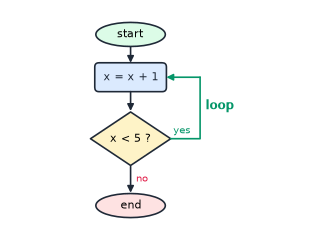
vòng lặp (loop)
code that repeats while a condition is true
The loop runs until the list is empty.
Vòng lặp chạy cho đến khi danh sách rỗng.
/ˌɪtəˈreɪʃn/
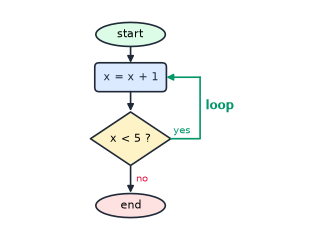
phép lặp (iteration)
the use of repetition in a program, usually in a loop
Iteration is used to process each item in the list.
Phép lặp được dùng để xử lý từng phần tử trong danh sách.
/ˈfləʊ/
luồng xử lý (flow)
the sequence of steps a program follows to do something
The team drew the login flow on the whiteboard.
Nhóm đã vẽ luồng đăng nhập lên bảng trắng.
/ˈleɪbəl/
nhãn (label)
a named place in code that can be jumped to
The loop jumps to a label when an error occurs.
Vòng lặp nhảy đến một nhãn khi xảy ra lỗi.
/rɪˈkɜː(r)ʒən/
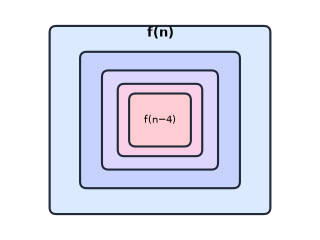
đệ quy (recursion)
a function calling itself
Recursion can solve this problem with very little code.
Đệ quy có thể giải bài toán này chỉ với rất ít mã.
/ˈfʌŋkʃn/
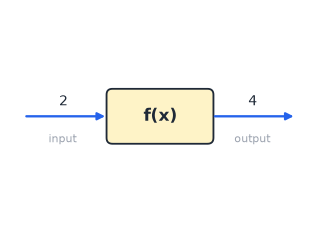
hàm (function)
a routine that takes arguments and may return a result
This function returns the sum of two numbers.
Hàm này trả về tổng của hai số.
/pəˈræmɪtə/
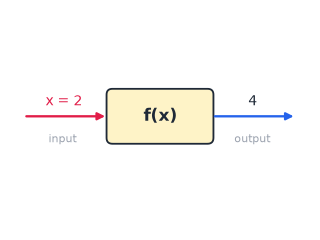
tham số (parameter)
a variable in a function definition that receives a value when called
This function takes two parameters.
Hàm này nhận hai tham số.
/ˈɑːɡjʊmənt/
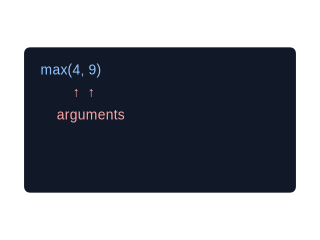
đối số (argument)
a value passed to a function when it is called
Pass the file name as an argument to the function.
Hãy truyền tên tệp làm đối số cho hàm.
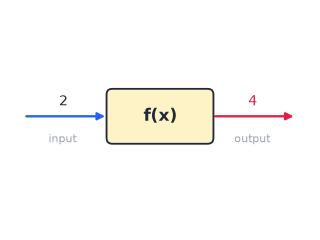
/rɪˈtɜːn/
trả về (return)
to give control or a value back to the caller
The function returns as soon as it finds a match.
Hàm trả về ngay khi tìm thấy kết quả khớp.
/ˈref(ə)rəns/
tham chiếu (reference)
a value pointing to data stored elsewhere
The variable holds a reference to the original object.
Biến này giữ một tham chiếu đến đối tượng gốc.
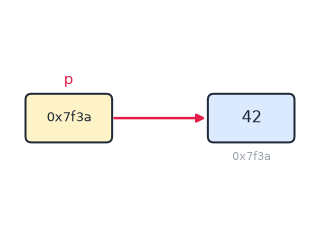
/ˈpɔɪntə/
con trỏ (pointer)
a variable that stores a memory address
In C, a pointer holds the address of another variable.
Trong C, con trỏ giữ địa chỉ của một biến khác.
/ˈdʒenəreɪtə(r)/
bộ sinh giá trị (generator)
code that produces multiple values one at a time on request
A generator yields one number at a time.
Một bộ sinh giá trị trả về từng số một.