
Hoá học · chủ đề 14/22
Hợp chất thường gặp và tên thông dụng
Common compounds and everyday names
66 thuật ngữ66 câu ví dụ📐 kí hiệu, đơn vị, công thức
Hoá đại cương6 chủ đề
Hoá lý7 chủ đề
Vô cơ và hữu cơ5 chủ đề
Phân tích, sinh hoá, ứng dụng4 chủ đề
Luyện thẻ ghi nhớ
💡 Mẹo: lật thẻ để xem nghĩa, bấm loa để nghe giọng Anh-Anh.
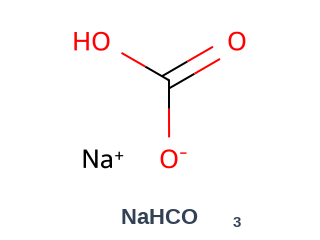
/ˈbeɪkɪŋ ˌsəʊdə/
muối nở, thuốc muối (natri hiđrocacbonat)
Tên thông thường của natri hiđrocacbonat, dùng làm bánh và làm thuốc giảm axit dạ dày.
The everyday name for sodium hydrogencarbonate, used in baking and to settle the stomach.
NaHCO₃
Baking soda gives off carbon dioxide when it is heated or mixed with an acid.
Muối nở giải phóng khí cacbon đioxit khi bị đun nóng hoặc trộn với axit.
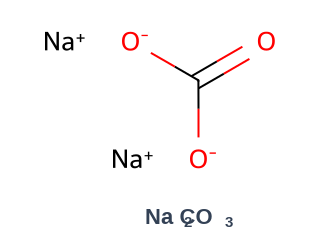
/ˈwɒʃɪŋ ˌsəʊdə/
sođa (natri cacbonat ngậm nước)
Natri cacbonat ngậm nước, dùng làm mềm nước và tẩy rửa.
Hydrated sodium carbonate, used to soften water and for cleaning.
Na₂CO₃·10H₂O
Washing soda softens hard water by precipitating calcium ions.
Sođa làm mềm nước cứng bằng cách kết tủa ion canxi.
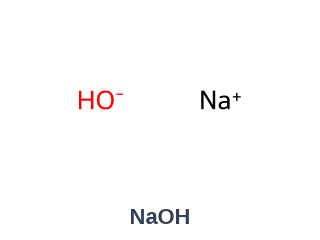
/ˌkɔːstɪk ˈsəʊdə/
xút ăn da (natri hiđroxit)
Tên thông thường của natri hiđroxit, một kiềm mạnh.
The everyday name for sodium hydroxide, a strong alkali.
NaOH
Wear gloves when you use caustic soda because it burns the skin.
Hãy đeo găng tay khi dùng xút vì nó làm bỏng da.
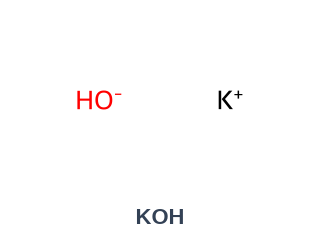
/ˌkɔːstɪk ˈpɒtæʃ/
potat ăn da (kali hiđroxit)
Tên thông thường của kali hiđroxit, một kiềm mạnh.
The everyday name for potassium hydroxide, a strong alkali.
KOH
Caustic potash is used to make soft soaps.
Potat ăn da được dùng để làm xà phòng mềm.
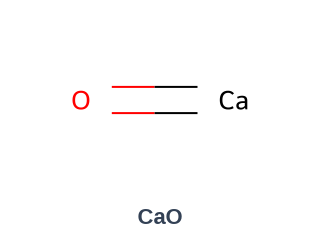
/ˈkwɪklaɪm/
vôi sống (canxi oxit)
Canxi oxit, điều chế bằng cách nung mạnh đá vôi.
Calcium oxide, made by heating limestone strongly.
CaO
Quicklime reacts vigorously with water to form slaked lime.
Vôi sống phản ứng mạnh với nước tạo thành vôi tôi.
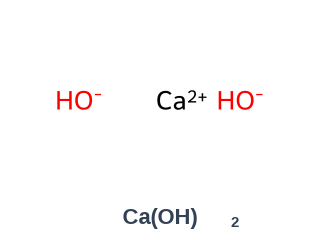
/ˌsleɪkt ˈlaɪm/
vôi tôi (canxi hiđroxit)
Canxi hiđroxit, điều chế bằng cách cho nước tác dụng với vôi sống.
Calcium hydroxide, made by adding water to quicklime.
Ca(OH)₂
Farmers spread slaked lime on acidic soil to raise its pH.
Nông dân rải vôi tôi lên đất chua để tăng pH.
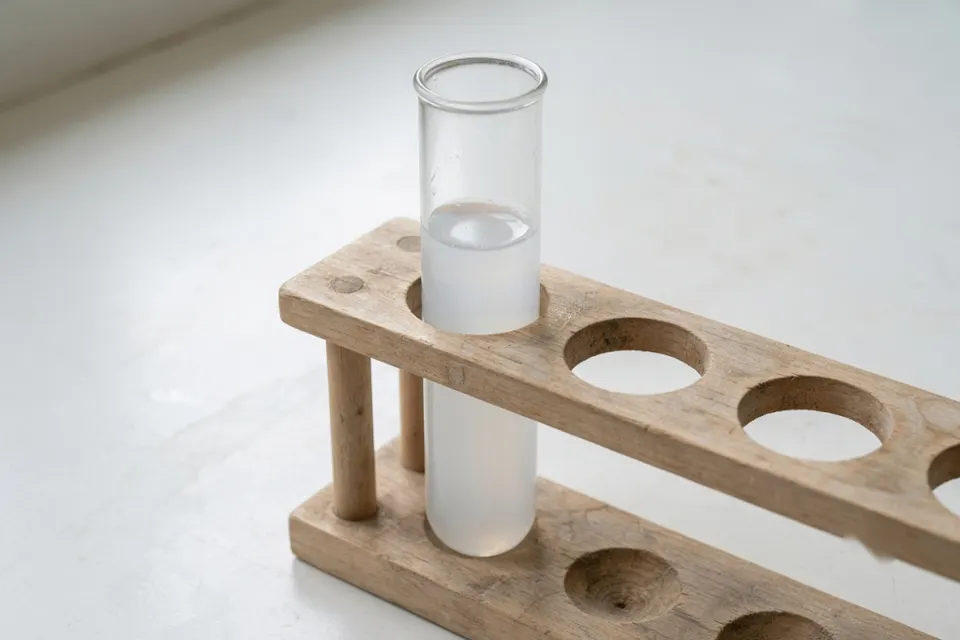
/ˈlaɪmwɔːtə/
nước vôi trong
Dung dịch canxi hiđroxit trong nước, trong suốt, dùng để nhận biết cacbon đioxit.
A clear solution of calcium hydroxide in water, used to test for carbon dioxide.
Ca(OH)₂ (aq)
Carbon dioxide turns limewater milky.
Khí cacbon đioxit làm nước vôi trong vẩn đục.
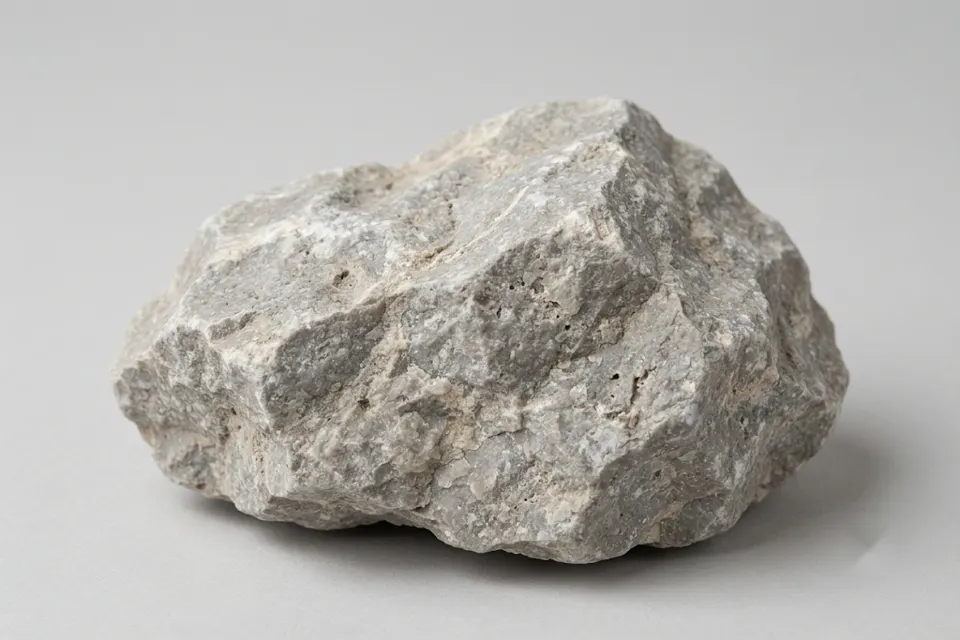
/ˈlaɪmstəʊn/
đá vôi
Loại đá chủ yếu gồm canxi cacbonat.
A rock made mainly of calcium carbonate.
CaCO₃
Limestone is heated in a kiln to make quicklime.
Đá vôi được nung trong lò để sản xuất vôi sống.
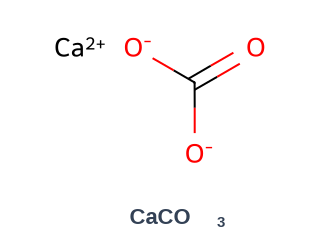
/ˈkælsiəm ˈkɑːbəneɪt/
canxi cacbonat
Hợp chất CaCO₃, có trong đá vôi, phấn và đá hoa.
The compound CaCO₃, found in limestone, chalk and marble.
CaCO₃
Calcium carbonate reacts with hydrochloric acid to give carbon dioxide.
Canxi cacbonat phản ứng với axit clohiđric tạo ra khí cacbon đioxit.
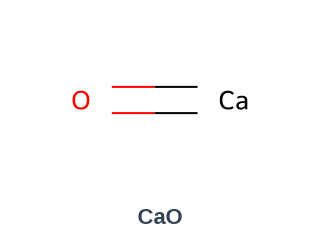
/ˈkælsiəm ˈɒksaɪd/
canxi oxit
Oxit bazơ CaO, còn gọi là vôi sống.
The basic oxide CaO, also called quicklime.
CaO
Calcium oxide is a basic oxide that neutralises acids.
Canxi oxit là oxit bazơ, trung hoà được axit.
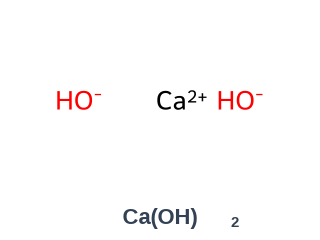
/ˈkælsiəm haɪˈdrɒksaɪd/
canxi hiđroxit
Bazơ Ca(OH)₂, còn gọi là vôi tôi.
The base Ca(OH)₂, also called slaked lime.
Ca(OH)₂
A solution of calcium hydroxide in water is called limewater.
Dung dịch canxi hiđroxit trong nước được gọi là nước vôi trong.
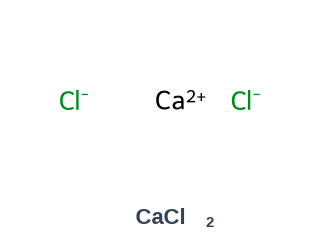
/ˈkælsiəm ˈklɔːˌraɪd/
canxi clorua
Muối CaCl₂, hút ẩm mạnh, dùng làm chất làm khô.
The salt CaCl₂, which absorbs water and is used as a drying agent.
CaCl₂
Anhydrous calcium chloride is used to dry gases in the laboratory.
Canxi clorua khan được dùng để làm khô khí trong phòng thí nghiệm.
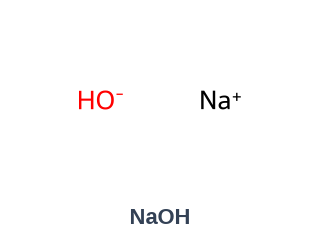
/ˈsəʊdiəm haɪˈdrɒksaɪd/
natri hiđroxit
Bazơ mạnh có công thức NaOH.
The strong alkali NaOH.
NaOH
Sodium hydroxide reacts with hydrochloric acid to form salt and water.
Natri hiđroxit phản ứng với axit clohiđric tạo thành muối và nước.
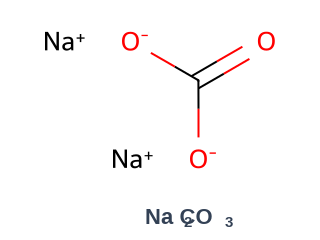
/ˈsəʊdiəm ˈkɑːbəneɪt/
natri cacbonat
Muối Na₂CO₃, còn gọi là soda, dùng để sản xuất thuỷ tinh.
The salt Na₂CO₃, also called soda ash, used to make glass.
Na₂CO₃
Sodium carbonate is one of the raw materials for making glass.
Natri cacbonat là một trong các nguyên liệu để sản xuất thuỷ tinh.
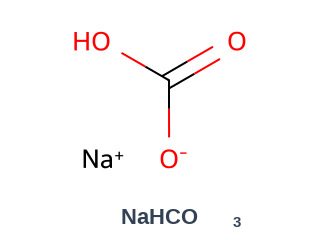
/ˈsəʊdiəm ˌhaɪdrədʒən ˈkɑːbəneɪt/
natri hiđrocacbonat
Hợp chất NaHCO₃, còn gọi là natri bicacbonat hay baking soda.
The compound NaHCO₃, also called sodium bicarbonate or baking soda.
NaHCO₃
Sodium hydrogencarbonate breaks down on heating to give sodium carbonate, water and carbon dioxide.
Natri hiđrocacbonat bị phân huỷ khi đun nóng tạo ra natri cacbonat, nước và cacbon đioxit.
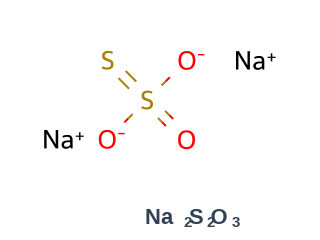
/ˈsəʊdiəm ˌθaɪəʊˈsʌlfeɪt/
natri thiosunfat
Muối Na₂S₂O₃, dùng để chuẩn độ iot.
The salt Na₂S₂O₃, used to titrate iodine.
Na₂S₂O₃
Sodium thiosulfate solution reacts with acid to form a yellow precipitate of sulfur.
Dung dịch natri thiosunfat phản ứng với axit tạo kết tủa lưu huỳnh màu vàng.
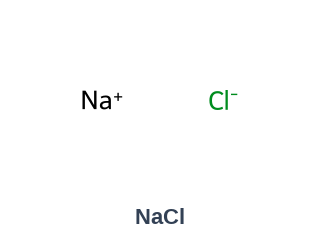
/ˈteɪbl sɒlt/
muối ăn (natri clorua)
Natri clorua dùng làm gia vị cho thức ăn.
Sodium chloride used to season food.
NaCl
Table salt dissolves in water to form sodium ions and chloride ions.
Muối ăn tan trong nước tạo thành ion natri và ion clorua.
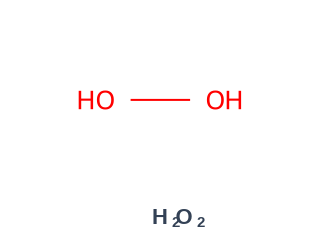
/ˈhaɪdrədʒ(ə)n pəˈrɒksaɪd/
hiđro peoxit (nước oxi già)
Hợp chất H₂O₂, chất lỏng giải phóng oxi khi phân huỷ.
The compound H₂O₂, a liquid that gives off oxygen as it decomposes.
H₂O₂
Hydrogen peroxide decomposes quickly when manganese dioxide is added.
Hiđro peoxit phân huỷ nhanh khi cho thêm mangan đioxit.
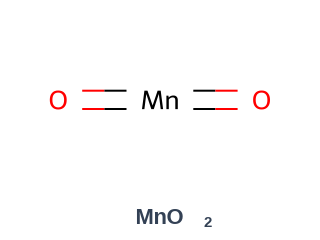
/ˈmæŋɡəniːz daɪˈɒksaɪd/
mangan đioxit
Chất rắn màu đen MnO₂, thường dùng làm xúc tác.
The black solid MnO₂, often used as a catalyst.
MnO₂; mangan(IV) oxit
Manganese dioxide speeds up the decomposition of hydrogen peroxide.
Mangan đioxit làm tăng tốc độ phân huỷ hiđro peoxit.
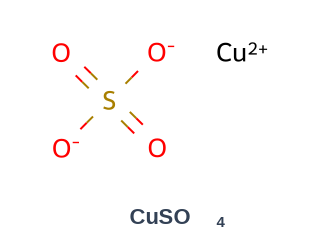
/ˈkɒpə ˈsʌlfeɪt/
đồng(II) sunfat
Muối CuSO₄, tinh thể ngậm nước có màu xanh lam.
The salt CuSO₄; its hydrated crystals are blue.
CuSO₄; CuSO₄·5H₂O
Anhydrous copper(II) sulfate turns from white to blue when water is added.
Đồng(II) sunfat khan chuyển từ màu trắng sang xanh lam khi gặp nước.
/ˈkɒpə ˈɒksaɪd/
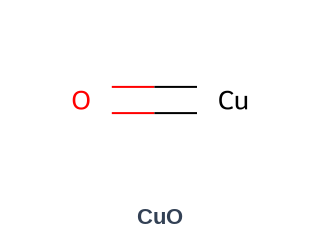
đồng(II) oxit
Chất rắn màu đen có công thức CuO.
The black solid CuO.
CuO
Copper(II) oxide dissolves in warm sulfuric acid to give a blue solution.
Đồng(II) oxit tan trong axit sunfuric ấm tạo dung dịch màu xanh lam.
/ˈaɪən ˈɒksaɪd/
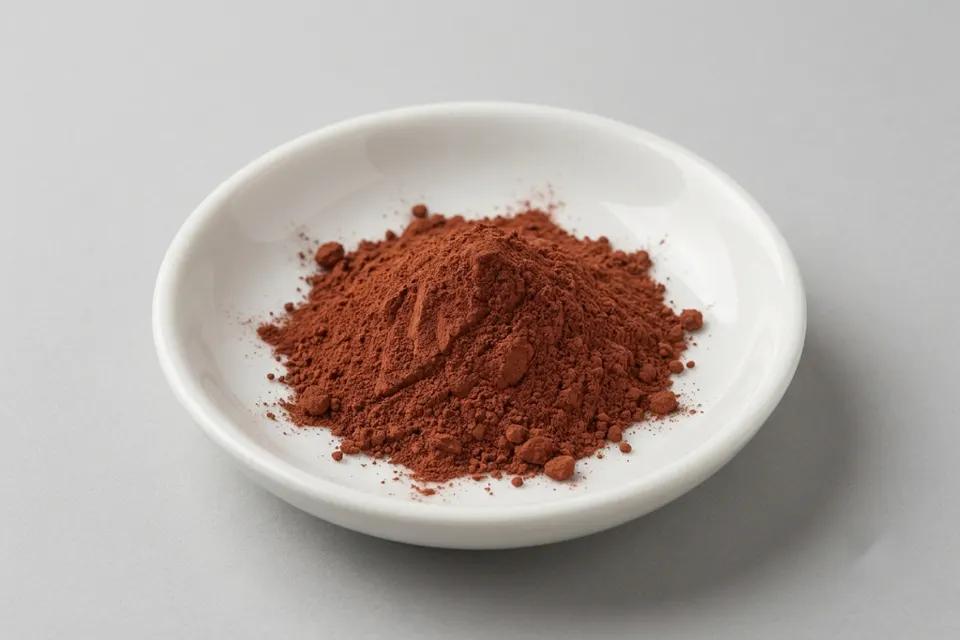
sắt(III) oxit
Chất rắn màu nâu đỏ Fe₂O₃, thành phần chính của gỉ sắt và quặng hematit.
The red-brown solid Fe₂O₃, the main compound in rust and haematite.
Fe₂O₃
Iron(III) oxide is reduced to iron by carbon monoxide in a blast furnace.
Sắt(III) oxit bị cacbon monoxit khử thành sắt trong lò cao.
/ˈaɪən ˈsʌlfeɪt/
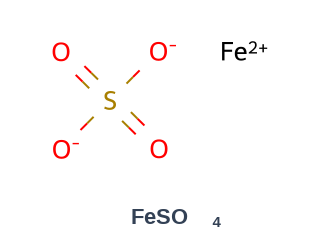
sắt(II) sunfat
Muối FeSO₄, tinh thể ngậm nước có màu lục nhạt.
The salt FeSO₄; its hydrated crystals are pale green.
FeSO₄; FeSO₄·7H₂O
Iron(II) sulfate solution is pale green.
Dung dịch sắt(II) sunfat có màu lục nhạt.
/ˈaɪən ˈklɔːˌraɪd/
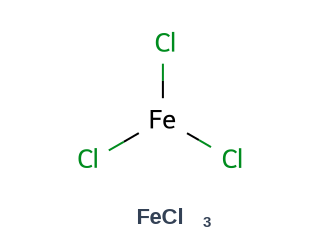
sắt(III) clorua
Muối FeCl₃, tạo dung dịch màu vàng nâu.
The salt FeCl₃, which gives a yellow-brown solution.
FeCl₃
Iron(III) chloride solution gives a violet colour with phenol.
Dung dịch sắt(III) clorua tạo màu tím với phenol.
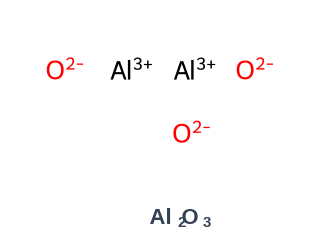
/ˌæl(j)ʊˈmɪniəm ˈɒksaɪd/
nhôm oxit
Oxit lưỡng tính Al₂O₃, thành phần chính của quặng boxit.
The amphoteric oxide Al₂O₃, the main compound in bauxite.
Al₂O₃
Aluminium oxide is dissolved in molten cryolite before electrolysis.
Nhôm oxit được hoà tan trong criolit nóng chảy trước khi điện phân.
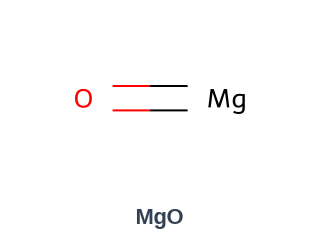
/ˌmæɡˈniːziəm ˈɒksaɪd/
magie oxit
Oxit bazơ MgO màu trắng, tạo thành khi magie cháy.
The white basic oxide MgO, formed when magnesium burns.
MgO
Magnesium burns with a bright white flame to form magnesium oxide.
Magie cháy với ngọn lửa trắng sáng tạo thành magie oxit.
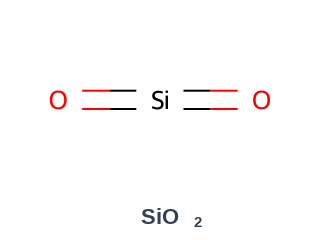
/ˈsɪlɪkən daɪˈɒksaɪd/
silic đioxit
Hợp chất SiO₂, có trong thạch anh và cát, có cấu trúc mạng tinh thể nguyên tử khổng lồ.
The compound SiO₂, found as quartz and sand, with a giant covalent structure.
SiO₂
Silicon dioxide has a very high melting point because of its giant covalent structure.
Silic đioxit có nhiệt độ nóng chảy rất cao do có cấu trúc cộng hoá trị khổng lồ.
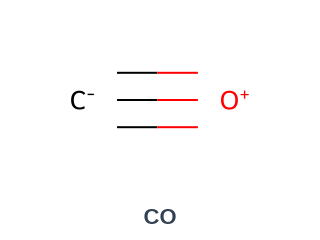
/ˌkɑːbən məˈnɒksaɪd/
cacbon monoxit
Chất khí độc, không màu CO, tạo thành khi cacbon cháy trong điều kiện thiếu oxi.
The colourless, poisonous gas CO, formed when carbon burns in too little oxygen.
CO
Carbon monoxide is dangerous because it stops blood carrying oxygen.
Cacbon monoxit nguy hiểm vì nó ngăn máu vận chuyển oxi.
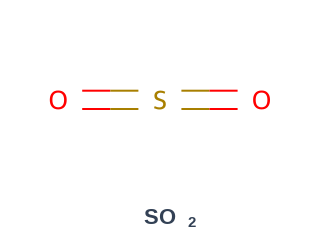
/ˈsʌlfə daɪˈɒksaɪd/
lưu huỳnh đioxit
Khí SO₂ không màu, mùi hắc, là một nguyên nhân gây mưa axit.
The colourless, choking gas SO₂, a cause of acid rain.
SO₂
Sulfur dioxide from power stations dissolves in rainwater to form acid rain.
Lưu huỳnh đioxit từ các nhà máy điện tan vào nước mưa tạo thành mưa axit.
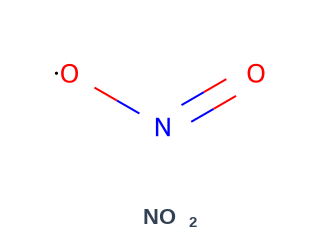
/ˈnaɪtrədʒən daɪˈɒksaɪd/
nitơ đioxit
Chất khí độc màu nâu NO₂, sinh ra trong động cơ ô tô.
The brown, toxic gas NO₂, formed in car engines.
NO₂
Nitrogen dioxide is a brown gas that causes acid rain.
Nitơ đioxit là khí màu nâu gây ra mưa axit.
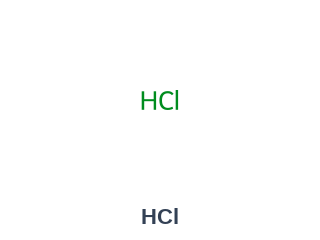
/ˈhaɪdrədʒ(ə)n ˈklɔːˌraɪd/
hiđro clorua
Chất khí HCl, tan trong nước tạo axit clohiđric.
The gas HCl, which dissolves in water to form hydrochloric acid.
HCl (g)
Hydrogen chloride gas dissolves in water to form hydrochloric acid.
Khí hiđro clorua tan trong nước tạo thành axit clohiđric.
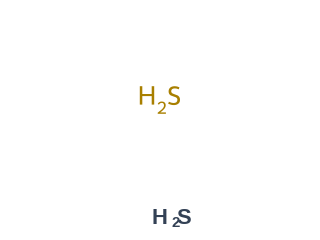
/ˈhaɪdrədʒ(ə)n ˈsʌlfaɪd/
hiđro sunfua
Chất khí độc H₂S, có mùi trứng thối.
The toxic gas H₂S, which smells of rotten eggs.
H₂S
Hydrogen sulfide smells of rotten eggs.
Hiđro sunfua có mùi trứng thối.
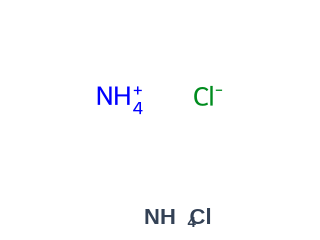
/əˈməʊniəm ˈklɔːˌraɪd/
amoni clorua
Muối NH₄Cl, bị nhiệt phân thành amoniac và hiđro clorua khi đun nóng.
The salt NH₄Cl, which breaks down into ammonia and hydrogen chloride when heated.
NH₄Cl
Heating ammonium chloride is a reversible reaction.
Đun nóng amoni clorua là một phản ứng thuận nghịch.
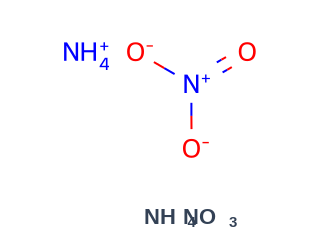
/əˈməʊniəm ˈnaɪˌtreɪt/
amoni nitrat
Muối NH₄NO₃, được dùng rộng rãi làm phân bón.
The salt NH₄NO₃, widely used as a fertiliser.
NH₄NO₃
Ammonium nitrate is a fertiliser rich in nitrogen.
Amoni nitrat là phân bón giàu nitơ.
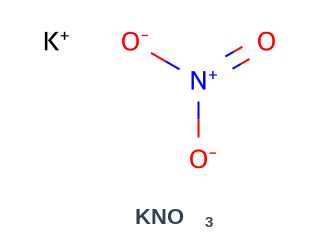
/pəˈtæsiəm ˈnaɪˌtreɪt/
kali nitrat
Muối KNO₃, dùng trong phân bón và thuốc súng.
The salt KNO₃, used in fertilisers and gunpowder.
KNO₃
Potassium nitrate supplies plants with both potassium and nitrogen.
Kali nitrat cung cấp cho cây cả kali và nitơ.
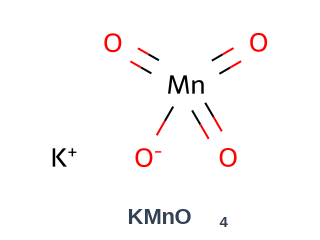
/pəˈtæsiəm pəˈmæŋɡəneɪt/
kali pemanganat (thuốc tím)
Muối KMnO₄ màu tím, là chất oxi hoá mạnh.
The purple salt KMnO₄, a strong oxidising agent.
KMnO₄
Acidified potassium permanganate is decolourised by iron(II) ions.
Dung dịch kali pemanganat có axit bị ion sắt(II) làm mất màu.
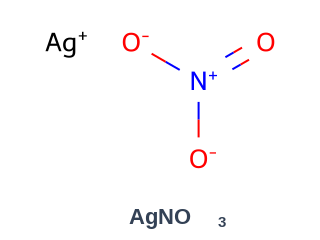
/ˈsɪlvə ˈnaɪˌtreɪt/
bạc nitrat
Muối AgNO₃, dùng để nhận biết các ion halogenua.
The salt AgNO₃, used to test for halide ions.
AgNO₃
Silver nitrate gives a white precipitate with chloride ions.
Bạc nitrat tạo kết tủa trắng với ion clorua.
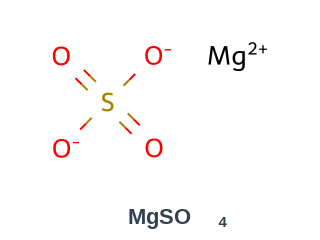
/ˌmæɡˈniːziəm ˈsʌlfeɪt/
magie sunfat
Muối MgSO₄, dạng ngậm nước là muối Epsom.
The salt MgSO₄; its hydrated form is Epsom salt.
MgSO₄; MgSO₄·7H₂O
Magnesium sulfate is made by reacting magnesium oxide with sulfuric acid.
Magie sunfat được điều chế bằng cách cho magie oxit phản ứng với axit sunfuric.
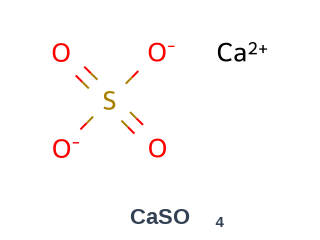
/ˈkælsiəm ˈsʌlfeɪt/
canxi sunfat
Muối CaSO₄, có trong khoáng vật thạch cao.
The salt CaSO₄, found as the mineral gypsum.
CaSO₄
Calcium sulfate is only slightly soluble in water.
Canxi sunfat chỉ tan ít trong nước.
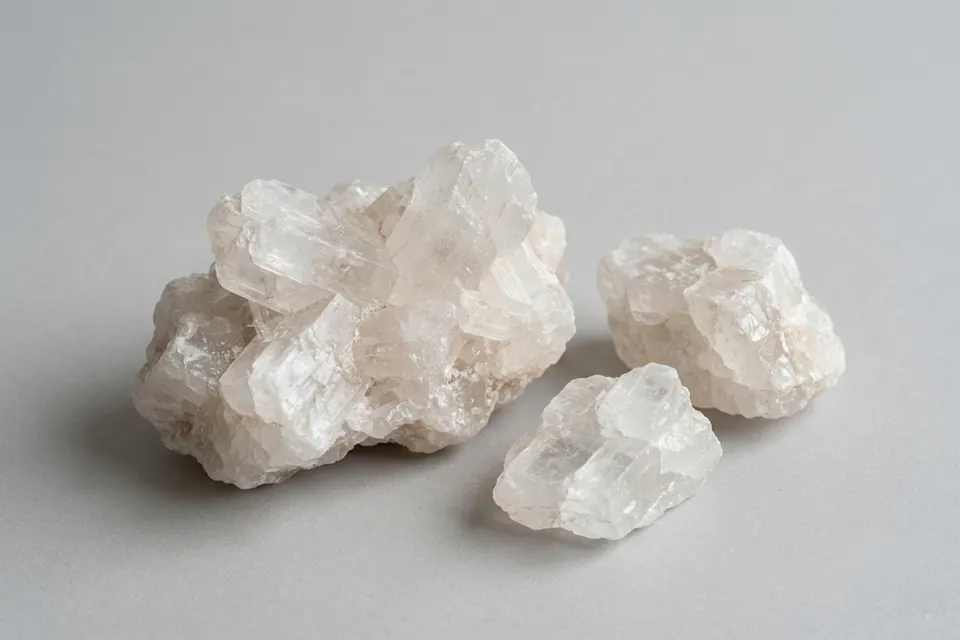
/ˈdʒɪpsəm/
thạch cao
Khoáng vật là canxi sunfat ngậm nước.
A mineral made of hydrated calcium sulfate.
CaSO₄·2H₂O
Gypsum is heated to make plaster of Paris.
Thạch cao được nung để làm thạch cao nung.
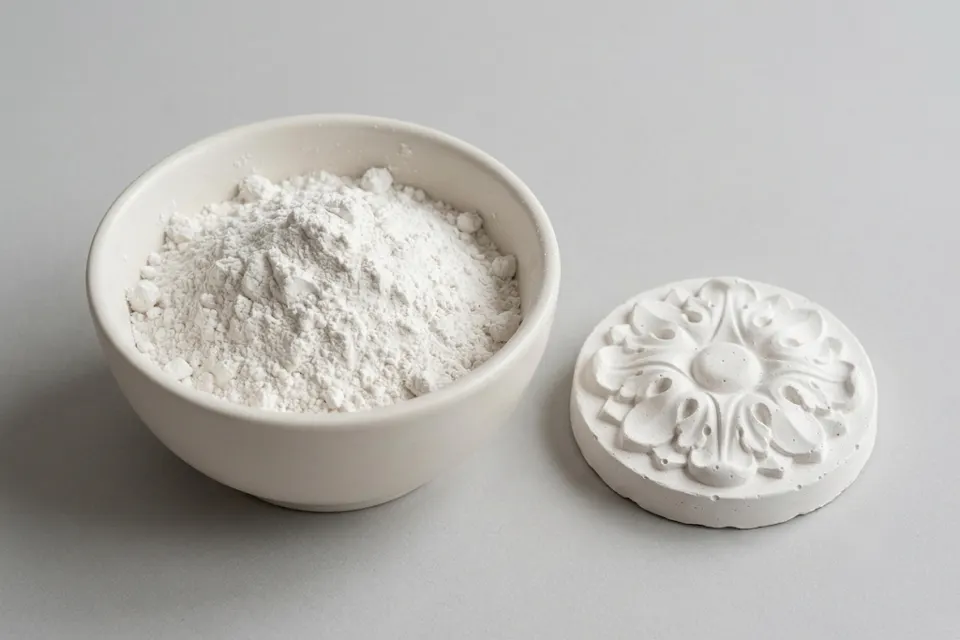
/ˌplɑːstər əv ˈpærɪs/
thạch cao nung
Canxi sunfat đã mất bớt một phần nước, đông cứng lại khi trộn với nước.
Partly dehydrated calcium sulfate that sets hard when mixed with water.
CaSO₄·½H₂O
Doctors use plaster of Paris to make casts for broken bones.
Bác sĩ dùng thạch cao nung để bó bột khi gãy xương.
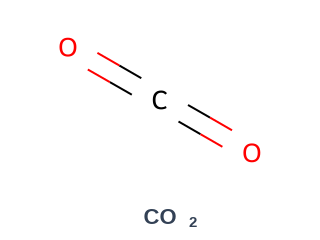
/ˌdraɪ ˈaɪs/
đá khô (cacbon đioxit rắn)
Cacbon đioxit ở thể rắn, thăng hoa ở −78 °C.
Solid carbon dioxide, which sublimes at −78 °C.
CO₂ (s)
Dry ice turns straight into a gas without melting.
Đá khô chuyển thẳng thành khí mà không nóng chảy.
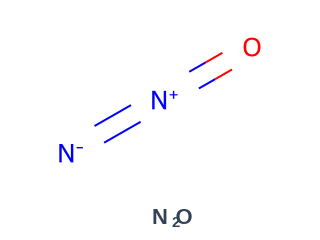
/ˈlɑːfɪŋ ɡæs/
khí cười (đinitơ oxit)
Đinitơ monoxit N₂O, dùng làm thuốc gây mê nhẹ.
Dinitrogen monoxide, N₂O, used as a mild anaesthetic.
N₂O
Dentists sometimes give patients laughing gas to help them relax.
Nha sĩ đôi khi cho bệnh nhân hít khí cười để thư giãn.
/ˌækwə ˈriːdʒiə/
nước cường toan
Hỗn hợp axit nitric đặc và axit clohiđric đặc, có khả năng hoà tan vàng.
A mixture of concentrated nitric and hydrochloric acids that dissolves gold.
HNO₃ : HCl = 1 : 3 (thể tích)
Aqua regia is one of the few liquids that can dissolve gold.
Nước cường toan là một trong số ít chất lỏng hoà tan được vàng.
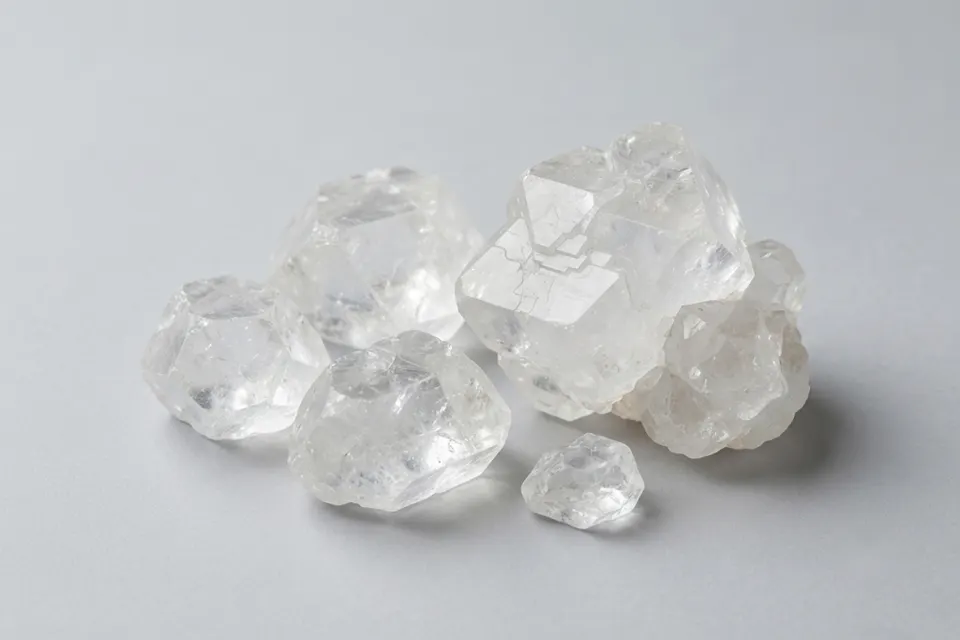
/ˈæləm/
phèn chua
Muối kép ngậm nước của kali và nhôm sunfat, dùng để làm trong nước đục.
Hydrated potassium aluminium sulfate, used to clear muddy water.
KAl(SO₄)₂·12H₂O
Alum makes the mud in water settle to the bottom.
Phèn chua làm bùn đất trong nước lắng xuống đáy.
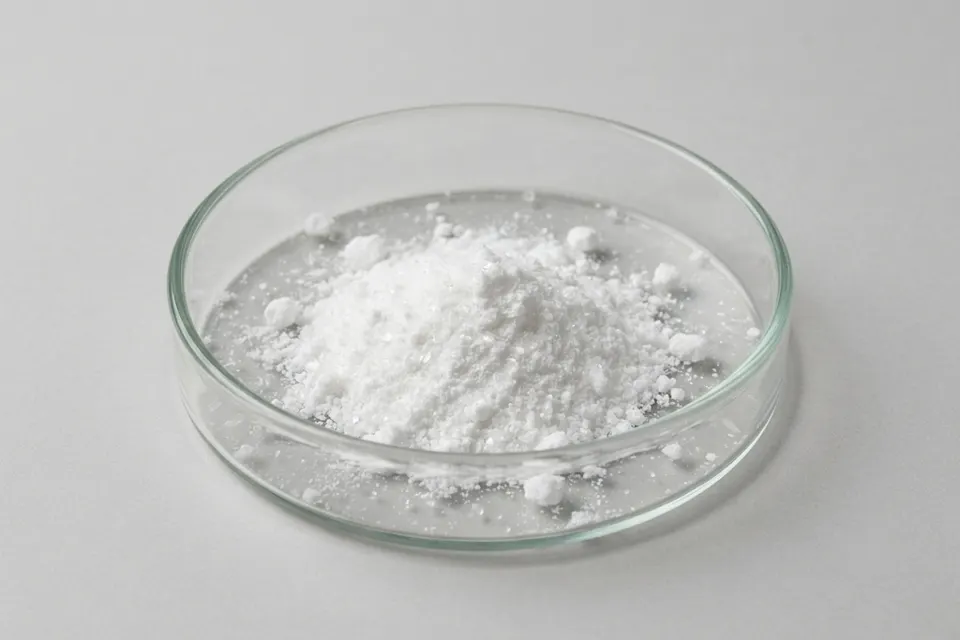
/ˈbɔːræks/
hàn the
Khoáng vật borat của natri, dùng trong chất tẩy rửa và sản xuất thuỷ tinh.
A sodium borate mineral used in cleaning products and glass-making.
Na₂B₄O₇·10H₂O
Borax is used to make some heat-resistant glass.
Hàn the được dùng để sản xuất một số loại thuỷ tinh chịu nhiệt.
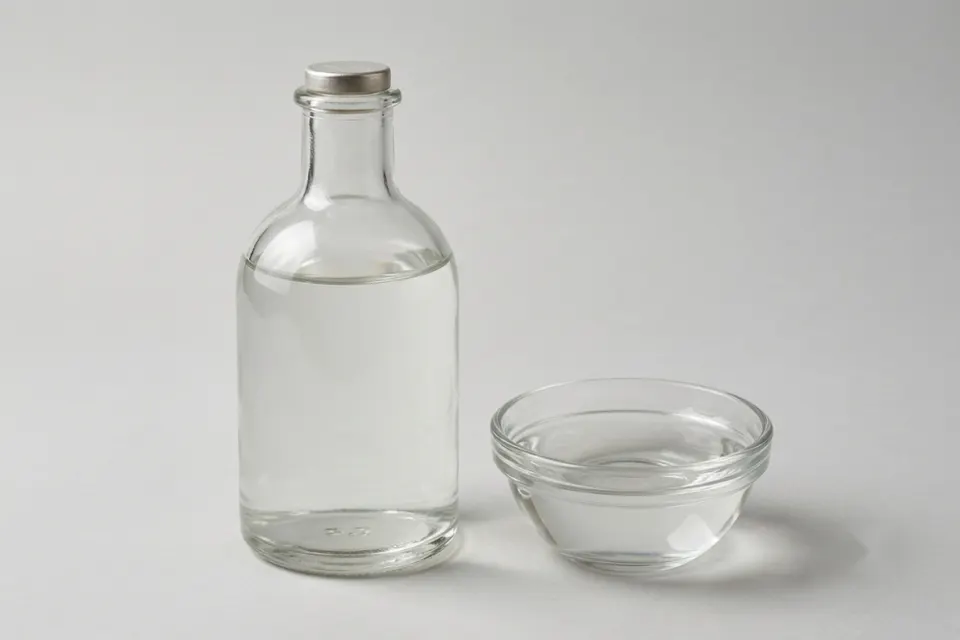
/ˈvɪnɪɡə/
giấm
Dung dịch loãng của axit etanoic dùng trong thực phẩm.
A dilute solution of ethanoic acid used in food.
≈ 5 % CH₃COOH
Vinegar contains about five percent ethanoic acid.
Giấm chứa khoảng năm phần trăm axit etanoic.
/ˈfɔːməlɪn/
fomalin (dung dịch fomanđehit)
Dung dịch fomanđehit trong nước, dùng để bảo quản mẫu vật.
A solution of formaldehyde in water, used to preserve specimens.
≈ 37 % HCHO
Biology specimens are kept in formalin.
Mẫu vật sinh học được ngâm trong fomalin.
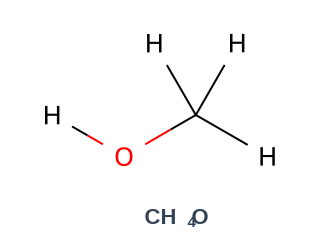
/ˈmeθənɒl/
metanol (ancol metylic)
Ancol đơn giản nhất, CH₃OH, độc khi uống.
The simplest alcohol, CH₃OH, which is poisonous to drink.
CH₃OH
Drinking methanol can cause blindness.
Uống phải metanol có thể gây mù.
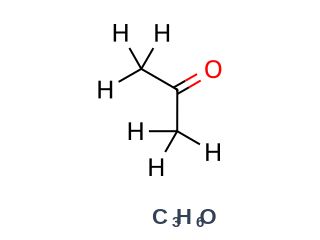
/ˈæsɪtəʊn/
axeton (propanon)
Tên thông thường của propanon, một dung môi hữu cơ phổ biến.
The common name for propanone, a solvent.
CH₃COCH₃
Acetone is used to remove nail varnish.
Axeton được dùng để tẩy sơn móng tay.
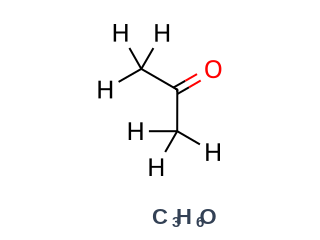
/ˈprəʊpənəʊn/
propanon
Tên theo danh pháp IUPAC của axeton, xeton đơn giản nhất.
The IUPAC name of acetone, the simplest ketone.
CH₃COCH₃
Propanone does not react with Tollens' reagent.
Propanon không phản ứng với thuốc thử Tollens.
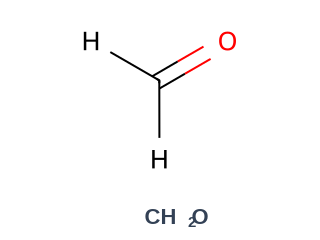
/fɔːˈmældɪhaɪd/
fomanđehit (metanal)
Tên thông thường của metanal, HCHO.
The common name for methanal, HCHO.
HCHO
Formaldehyde is used to make some resins and glues.
Fomanđehit được dùng để sản xuất một số loại nhựa và keo dán.
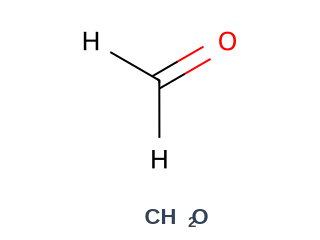
/ˈmeθənæl/
metanal
Tên theo danh pháp IUPAC của fomanđehit, anđehit đơn giản nhất.
The IUPAC name of formaldehyde, the simplest aldehyde.
HCHO
Methanal is oxidised to methanoic acid.
Metanal bị oxi hoá thành axit metanoic.
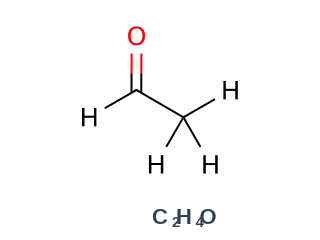
/ˌæsɪˈtældɪhaɪd/
axetanđehit (etanal)
Tên thông thường của etanal, hợp chất có công thức CH₃CHO.
The common name for ethanal, CH₃CHO.
CH₃CHO
Acetaldehyde is formed when ethanol is oxidised.
Axetanđehit được tạo thành khi oxi hoá etanol.
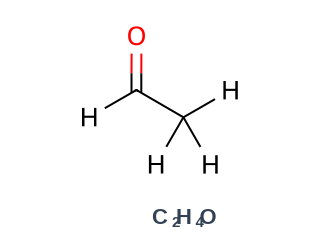
/ˈeθənæl/
etanal
Tên theo danh pháp IUPAC của axetanđehit.
The IUPAC name of acetaldehyde.
CH₃CHO
Ethanal gives a silver mirror with Tollens' reagent.
Etanal tạo lớp gương bạc với thuốc thử Tollens.
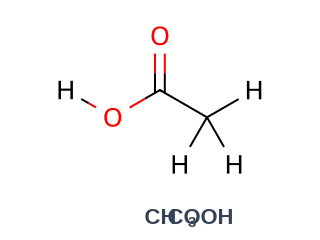
/ˌeθəˌnəʊɪk ˈæsɪd/
axit etanoic (axit axetic)
Tên theo danh pháp IUPAC của axit axetic, axit có trong giấm.
The IUPAC name of acetic acid, the acid in vinegar.
CH₃COOH
Ethanoic acid is a weak acid.
Axit etanoic là một axit yếu.
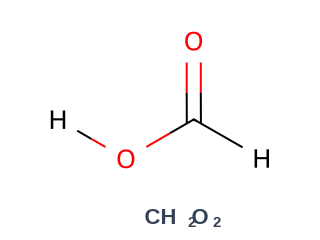
/ˌfɔːmɪk ˈæsɪd/
axit fomic (axit metanoic)
Tên thông thường của axit metanoic, có trong nọc kiến.
The common name for methanoic acid, found in ant stings.
HCOOH
Formic acid is found in the stings of ants.
Axit fomic có trong nọc kiến.
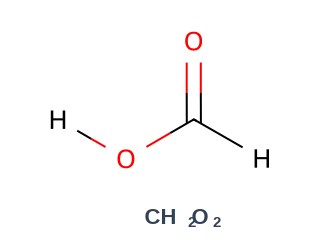
/ˌmeθəˌnəʊɪk ˈæsɪd/
axit metanoic
Tên theo danh pháp IUPAC của axit fomic, axit cacboxylic đơn giản nhất.
The IUPAC name of formic acid, the simplest carboxylic acid.
HCOOH
Methanoic acid is the simplest carboxylic acid.
Axit metanoic là axit cacboxylic đơn giản nhất.
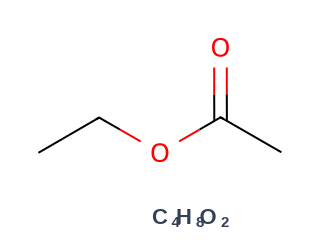
/ˈiːθaɪl ɪˈθænəʊeɪt/
etyl etanoat (etyl axetat)
Este CH₃COOC₂H₅, dung môi có mùi thơm ngọt.
The ester CH₃COOC₂H₅, a sweet-smelling solvent.
CH₃COOC₂H₅
Ethyl ethanoate is made from ethanol and ethanoic acid.
Etyl etanoat được điều chế từ etanol và axit etanoic.
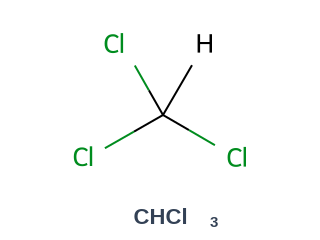
/ˈklɒrəfɔːm/
clorofom (triclometan)
Tên thông thường của triclometan.
The common name for trichloromethane.
CHCl₃
Chloroform was once used as an anaesthetic.
Clorofom từng được dùng làm thuốc gây mê.
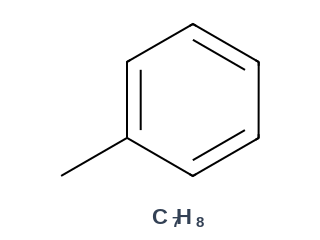
/ˈtɒljuiːn/
toluen (metylbenzen)
Metylbenzen, một dung môi thông dụng.
Methylbenzene, a common solvent.
C₆H₅CH₃
Toluene is used as a solvent in paints.
Toluen được dùng làm dung môi trong sơn.
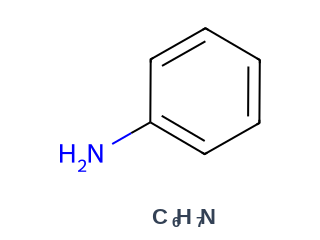
/ˈænɪliːn/
anilin (phenylamin)
Amin thơm C₆H₅NH₂ (phenylamin), dùng để sản xuất thuốc nhuộm.
Phenylamine, an aromatic amine used to make dyes.
C₆H₅NH₂
Aniline is used to make dyes.
Anilin được dùng để sản xuất phẩm nhuộm.
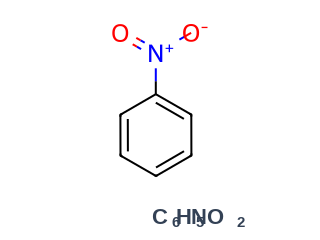
/ˌnaɪtrəʊˈbenziːn/
nitrobenzen
Hợp chất nitro thơm C₆H₅NO₂, điều chế bằng cách nitro hoá benzen.
The aromatic nitro compound C₆H₅NO₂, made by nitrating benzene.
C₆H₅NO₂
Nitrobenzene is reduced to make phenylamine.
Nitrobenzen bị khử để điều chế phenylamin.
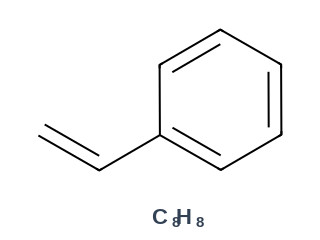
/ˈstaɪriːn/
stiren (phenyleten)
Monome dùng để trùng hợp ra polistiren.
The monomer of polystyrene.
C₆H₅CH=CH₂
Styrene is polymerised to make polystyrene.
Stiren được trùng hợp để tạo polistiren.
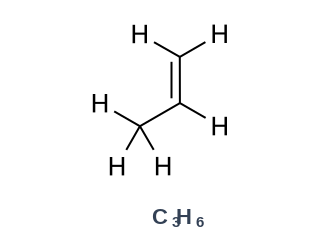
/ˈprəʊpiːn/
propen (propilen)
Anken CH₃CH=CH₂, là monome của poli(propen).
The alkene CH₃CH=CH₂, the monomer of poly(propene).
C₃H₆
Propene is polymerised to make poly(propene).
Propen được trùng hợp để tạo poli(propen).
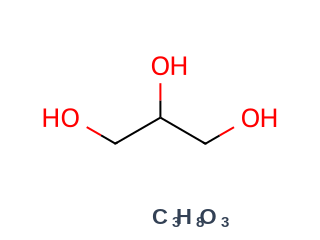
/ˈɡlɪsərɒl/
glixerol (propan-1,2,3-triol)
Triol là thành phần của chất béo và dầu.
A triol that forms part of fats and oils.
C₃H₅(OH)₃
Glycerol is formed when fats are hydrolysed.
Glixerol được tạo thành khi thuỷ phân chất béo.