
Cơ khí · chủ đề 4/14
Vật liệu và nhiệt luyện
Materials and heat treatment
33 thuật ngữ33 câu ví dụ📐 kí hiệu, đơn vị, công thức
Dụng cụ và đo lường1 chủ đề
Bản vẽ, dung sai, lắp ghép2 chủ đề
Vật liệu, gia công, hàn3 chủ đề
Mối ghép, chi tiết máy, truyền động3 chủ đề
Sức bền, động cơ, thuỷ khí3 chủ đề
Bảo trì, an toàn, chất lượng2 chủ đề
Luyện thẻ ghi nhớ
💡 Mẹo: lật thẻ để xem nghĩa, bấm loa để nghe giọng Anh-Anh.
/ˈferəs ˈmetəl/
kim loại đen
A metal based on iron, such as steel or cast iron.
Gồm thép và gang
Ferrous metal rusts unless it is painted or plated.
Kim loại đen bị gỉ nếu không sơn hoặc mạ.
/nɒn ˈferəs ˈmetəl/
kim loại màu
A metal that contains no iron as its base, such as copper or aluminium.
Đồng, nhôm, kẽm, chì
Non-ferrous metal is used where weight and corrosion matter.
Kim loại màu được dùng khi cần nhẹ và chống ăn mòn.
/kɑːst ˈaɪən/
gang
An iron–carbon alloy with more than 2% carbon, easy to cast but brittle.
C > 2,14%
The machine bed is made of cast iron.
Thân máy được làm bằng gang.
/ɡreɪ kɑːst ˈaɪən/
gang xám
A cast iron whose carbon forms graphite flakes, good at damping vibration.
US: gray cast iron
Grey cast iron suits machine beds and engine blocks.
Gang xám phù hợp thân máy và block động cơ.
/ˈkɑːbən stiːl/
thép cacbon
Steel whose properties depend mainly on its carbon content.
C < 2,14%; CT3, C45, ...
Carbon steel is the cheapest choice for shafts.
Thép cacbon là lựa chọn rẻ nhất cho trục.
/maɪld stiːl/
thép cacbon thấp
A low-carbon steel that is tough, easy to weld and cannot be hardened much.
C ≈ 0,05–0,25%
Weld the frame from mild steel angle.
Hàn khung từ thép góc cacbon thấp.
/ˈælɔɪ stiːl/
thép hợp kim
Steel with added elements such as chromium or nickel to improve its properties.
Cr, Ni, Mo, V
Use alloy steel for the heavily loaded gear.
Dùng thép hợp kim cho bánh răng chịu tải nặng.
/ˌsteɪnləs ˈstiːl/
thép không gỉ
A steel with at least about 10.5% chromium that resists rusting.
Còn gọi: inox
The food tank is made of stainless steel.
Bồn thực phẩm được làm bằng thép không gỉ.
/tuːl stiːl/
thép dụng cụ
A hard, wear-resistant steel used to make cutting tools and dies.
Dao, khuôn
Make the punch from tool steel and harden it.
Làm chày dập từ thép dụng cụ rồi tôi cứng.
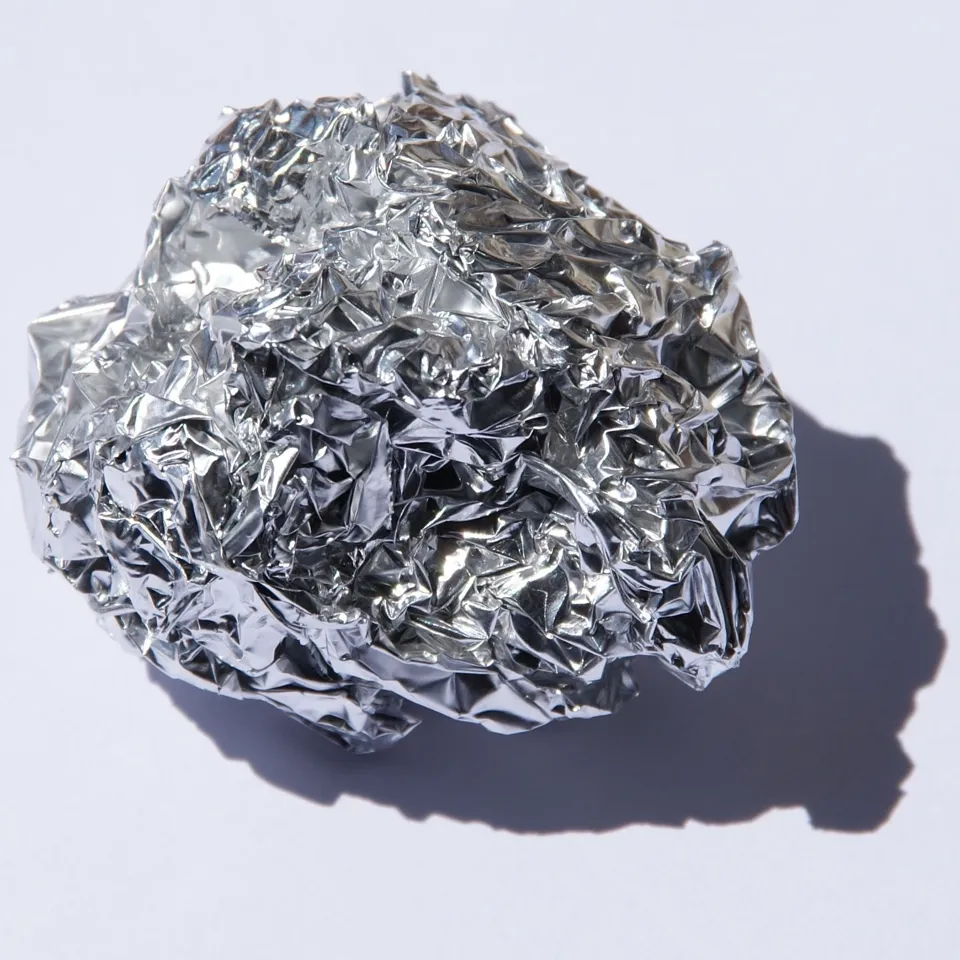
/ˌæl(j)ʊˈmɪniəm/
nhôm
A light, corrosion-resistant non-ferrous metal with a density of about 2.7 g/cm³.
Al; ρ ≈ 2,7 g/cm³
Aluminium is used for engine pistons because it is light.
Nhôm được dùng làm pít tông động cơ vì nhẹ.

/brɑːs/
đồng thau
An alloy of copper and zinc that machines easily and resists corrosion.
Cu + Zn
The valve body is machined from brass.
Thân van được gia công từ đồng thau.
/brɒnz/
đồng thanh
An alloy of copper, usually with tin, used for bearings and gears.
Cu + Sn
A bronze bush carries the slow, heavy load.
Bạc đồng thanh chịu tải nặng, tốc độ chậm.
/ˈælɔɪ/
hợp kim
A metal made by mixing two or more elements, at least one of them a metal.
Cải thiện độ bền, chống ăn mòn
Brass is an alloy of copper and zinc.
Đồng thau là hợp kim của đồng và kẽm.
/ˌendʒɪˈnɪərɪŋ ˈplæstɪk/
nhựa kỹ thuật
A plastic with good strength and heat resistance, used for gears and housings.
Nylon, POM, PTFE
An engineering plastic gear runs quietly without oil.
Bánh răng nhựa kỹ thuật chạy êm không cần dầu.
/ˈkɒmpəzɪt/
vật liệu composite
A material made of two or more different materials, such as fibres in resin.
Sợi + nền (matrix)
A carbon-fibre composite is light and stiff.
Composite sợi cacbon vừa nhẹ vừa cứng.
/ˈhɑːdnəs/
độ cứng
The resistance of a material to being dented or scratched.
Thang HB, HRC, HV
Test the hardness of the shaft after quenching.
Kiểm tra độ cứng của trục sau khi tôi.
/ˈtʌfnəs/
độ dai va đập
The ability of a material to absorb energy and resist fracture under impact.
Đo bằng thử Charpy; J
Good toughness is needed for hammer heads.
Đầu búa cần độ dai va đập tốt.
/dʌkˈtɪləti/
độ dẻo
The ability of a material to stretch plastically before breaking.
Độ giãn dài δ = (L − L₀)/L₀ × 100%
Copper has high ductility and can be drawn into wire.
Đồng có độ dẻo cao nên kéo được thành dây.
/ˈbrɪtlnəs/
độ giòn
The tendency of a material to break with little or no plastic deformation.
Đối lập: ductility
Cast iron fails by brittleness, not by bending.
Gang hỏng do giòn chứ không bị uốn cong.
/kəˈrəʊʒən/
ăn mòn
The slow chemical wearing away of a metal by its surroundings.
Gỉ = rust (với sắt)
Corrosion has eaten through the base of the pipe.
Ăn mòn đã làm thủng chân ống.
/ˈɡælvənaɪzɪŋ/
mạ kẽm
Coating steel with zinc to protect it from rusting.
US: galvanizing
The steel frame is galvanised before delivery.
Khung thép được mạ kẽm trước khi giao.
/hiːt ˈtriːtmənt/
nhiệt luyện
Heating and cooling a metal under control to change its properties.
Gồm ủ, thường hoá, tôi, ram
Heat treatment makes the gear teeth hard.
Nhiệt luyện làm răng bánh răng cứng.
/əˈniːlɪŋ/
ủ
Heating steel and cooling it slowly to make it soft and relieve stress.
Làm mềm, làm nguội chậm trong lò
Anneal the part to make machining easier.
Ủ chi tiết để dễ gia công hơn.
/ˈnɔːməlaɪzɪŋ/
thường hoá
Heating steel above its critical temperature and cooling in still air to refine its grain.
US: normalizing
Normalising gives the forging an even structure.
Thường hoá cho vật rèn cấu trúc đồng đều.
/ˈkwentʃɪŋ/
tôi
Cooling hot steel rapidly in water or oil to make it hard.
Tạo mactenxit
Quenching in oil gives less cracking than water.
Tôi trong dầu ít nứt hơn trong nước.
/ˈtempərɪŋ/
ram
Reheating quenched steel to a moderate temperature to reduce brittleness.
Luôn đi sau tôi
Temper the chisel at 250 °C after quenching.
Ram đục ở 250 °C sau khi tôi.
/keɪs ˈhɑːdnɪŋ/
hoá bền bề mặt; thấm tôi
Making the outer skin of a part hard while the core stays tough.
Gồm thấm cacbon, thấm nitơ
Case hardening suits gears that need a tough core.
Tôi bề mặt phù hợp với bánh răng cần lõi dai.
/ˈkɑːbjəraɪzɪŋ/
thấm cacbon
Adding carbon to the surface of low-carbon steel by heating in a carbon-rich atmosphere.
US: carburizing
Carburising the gear gives it a hard surface layer.
Thấm cacbon cho bánh răng lớp bề mặt cứng.
/ˈnaɪtraɪdɪŋ/
thấm nitơ
Hardening the surface of steel by diffusing nitrogen into it at a fairly low temperature.
~500–550 °C
Nitriding hardens the cylinder liner with little distortion.
Thấm nitơ làm cứng ống lót xi lanh ít biến dạng.
/ɪnˈdʌkʃən ˈhɑːdnɪŋ/
tôi cao tần
Hardening the surface of a part by heating it with a high-frequency induction coil, then quenching.
Chỉ nung lớp bề mặt
Induction hardening is used on the crankshaft journals.
Tôi cao tần được dùng cho cổ trục khuỷu.
/ˈstres rɪˈliːvɪŋ/
ủ khử ứng suất
Heating a part below its critical temperature to remove residual stress.
Sau hàn hoặc gia công thô
Stress relieving prevents the weldment from warping.
Ủ khử ứng suất tránh cho khối hàn bị cong vênh.
/ˈrɒkwel ˈhɑːdnəs/
độ cứng Rockwell
A hardness number found from how deep a standard indenter sinks under a set load.
HRC; thép tôi 58–64 HRC
The tool reads 60 on the Rockwell hardness C scale.
Dụng cụ đạt 60 trên thang Rockwell C.
/brɪˈnel ˈhɑːdnəs/
độ cứng Brinell
A hardness number found by pressing a steel ball into a metal and measuring the dent.
HB = 2F / [πD(D − √D² − d²)]
Use Brinell hardness for castings with a coarse grain.
Dùng độ cứng Brinell cho vật đúc hạt thô.